Step into Alive 3D Art Gallery Port Dickson Malaysia, where 50 interactive illustrations across five themed zones bring imagination to life. Located in Bandar Dataran Segar, Lukut, this gallery offers surreal experiences, photo opportunities, and a DIY gift shop for personalized souvenirs.
Introduction
Alive 3D Art Gallery in Port Dickson is a one-of-a-kind attraction that blends creativity, interactivity, and family-friendly entertainment. Situated in the heart of Bandar Dataran Segar, Lukut, the gallery showcases 50 stunning 3D artworks created by talented artists from China. Visitors can immerse themselves in five themed zones—Adventure, Aquarium, Animation, Exotic, and Dark Art—each offering unique illusions and interactive experiences. Unlike traditional galleries, Alive 3D Art Gallery encourages guests to touch, pose, and interact with the exhibits, creating unforgettable memories and photographs.
Highlights
Adventure Zone
The Adventure Zone transports visitors into thrilling scenarios, from scaling mountains to escaping wild animals. The realistic 3D illusions make guests feel like part of the artwork, offering endless opportunities for creative photography.
3D illusions are visual artworks or designs that create the perception of three-dimensional depth on a flat surface, tricking the human eye into seeing objects or spaces that appear real but are actually optical effects. They are a form of optical illusion that manipulates perspective, shading, and geometry. They rely on the brain’s interpretation of visual cues to make flat images appear three-dimensional.
Visitor Facilities
The gallery provides spacious halls, air-conditioning, and clear instructions for posing with each artwork. Staff members are available to guide visitors on how to achieve the best photo angles, ensuring a fun and comfortable experience.
Aquarium Zone
This zone features marine-themed illustrations, including giant whales, playful dolphins, and underwater adventures. Visitors can pose as if swimming alongside sea creatures or exploring coral reefs.
Animation Zone
The Animation Zone brings beloved cartoon characters and fantasy worlds to life. Guests can interact with whimsical scenes that spark nostalgia and joy. This section is particularly popular with children and animation fans, offering playful backdrops for imaginative photos.
Exotic Zone
The Exotic Zone showcases cultural and fantasy-inspired artworks. From mystical temples to exotic animals, the zone highlights diverse themes that captivate visitors.
Cultural Connection
This section often sparks conversations about global traditions and artistic styles. Visitors appreciate the chance to explore imaginative depictions of faraway lands and mythical creatures.
Dark Art Zone
The Dark Art Zone offers a more mysterious experience, with eerie illusions and shadowy designs. It appeals to visitors seeking something unusual and thought-provoking, adding variety to the gallery’s offerings.
3D DIY and Gift Shop
The gallery’s souvenir shop offers toys, keychains, snacks, and personalized items. Visitors can print their photos on T-shirts, cups, or pillowcases, turning memories into keepsakes.
Trekking and Adventure
Nearby Outdoor Activities
Alive 3D Art Gallery is located in Lukut, close to Port Dickson’s beaches and outdoor attractions. Visitors can combine their gallery trip with trekking, water sports, or cultural exploration.
Lukut is a historic town and suburb of Port Dickson in Negeri Sembilan, Malaysia, once a thriving tin mining center in the 19th century and today a residential and cultural area with heritage sites. It played a key role in Malay history, especially during the Bugis and Selangor rule, before being ceded to Sungai Ujong in 1880. Governed under the Majlis Perbandaran Port Dickson (Port Dickson Municipal Council). Attractions include local markets – offering traditional Malay and multicultural foods, Lukut Fort and Museum – showcasing artifacts from its tin mining era and Sri Ambal Temple – a notable Hindu temple in the town.
Trekking Trails
Coastal trails near Port Dickson offer scenic walks with views of the Straits of Malacca. These routes showcase mangroves, local flora, and bird species, making them ideal for eco-tourists.
Adventure Options in Port Dickson
Beyond the gallery, Port Dickson offers ATV rides, banana boat excursions, and parasailing. Visitors can enjoy both indoor creativity and outdoor thrills, making the destination versatile for all interests.
Nearby Attractions
Bandar Dataran Segar
The gallery’s location in Bandar Dataran Segar makes it accessible to restaurants, shops, and entertainment venues. Visitors can enjoy local cuisine and shopping after exploring the gallery.
Bandar Dataran Segar is the largest township in Port Dickson, Negeri Sembilan, covering 177 acres and developed by Dataran Segar Sdn. Bhd. since 1981. It is a mixed development featuring residential neighborhoods, commercial areas, hotels, and public amenities, strategically located just 2 km from the beach and 6 km from Port Dickson town. Location & Accessibility: 2 km from Port Dickson beach, 6 km from Port Dickson town center and 47 km from Kuala Lumpur International Airport (KLIA).
Visitor Experience
The area offers a mix of modern amenities and cultural charm. Evening visits often include dining at seafood restaurants or browsing local markets.
Cultural Festivals in Port Dickson
Port Dickson hosts cultural festivals that celebrate local traditions, music, and food. Visitors to Alive 3D Art Gallery can plan trips during these events for added excitement.
Nearby Heritage Sites
Lukut is known for its historical sites, including Lukut Fort and Museum. Visitors can explore these landmarks to learn about the area’s rich history.
Lukut Fort and Museum is a historical site in Lukut, Port Dickson, Negeri Sembilan, Malaysia, showcasing the remains of a 19th-century fort built by Raja Jumaat, a Bugis leader, to protect Lukut’s thriving tin mining industry. Preserves artifacts from Lukut’s tin mining era and local heritage. Lukut was under Selangor’s rule before being ceded to Sungai Ujong (Negeri Sembilan) in 1880.
Heritage Spot
Lukut Fort offers panoramic views and exhibits about the town’s past. Combining heritage exploration with the gallery visit provides a deeper cultural experience.
Conclusion
Alive 3D Art Gallery Port Dickson Malaysia is a dynamic attraction that blends art, interactivity, and family-friendly fun. With five themed zones, 50 interactive artworks, and a DIY gift shop, it offers visitors a chance to create lasting memories. Its location near beaches, cultural festivals, and heritage sites makes it a perfect centerpiece for any Port Dickson itinerary. Whether you are an art lover, a family traveler, or an adventure seeker, Alive 3D Art Gallery promises an unforgettable experience.
Summary
Attraction: Alive 3D Art Gallery Port Dickson Best Attractions
Leon, Italy – ★★★★★ “The Alive 3D Art Gallery was incredible. The Adventure Zone made me feel like I was part of the artwork. The staff were helpful, and the gift shop souvenirs were unique. Highly recommended.”
Shahmira Hassan, Egypt – ★★★★☆ “I loved the Aquarium Zone, especially the dolphin illustrations. My kids had so much fun posing for photos. The gallery was a bit crowded, but overall it was a great experience.”
Daniel Smith, Canada – ★★★★★ “The Dark Art Zone was my favorite. The illusions were so realistic, and the atmosphere was thrilling. Printing our photos on T-shirts at the DIY shop was a fantastic idea.”
Li Wei, Taiwan – ★★★★☆ “The Animation Zone was delightful. My children enjoyed interacting with the characters, and we took so many fun photos. The gallery is a must-visit when in Port Dickson.”
Alive 3D Art Gallery in Port Dickson: It includes 50 draw art painting and optical illusion and unique to its gallery. There have diverse themes which are Exotic, Aquarium, adventure, Movie Animation, Dark Art and so on. It also the only one theme of Dark Art painting in Malaysia. It makes you feel like live in an imaging world. You can touch, hug and interact with the art pieces, blending in with the scenery through (trick) of the eyes.
Alive 3D Art Gallery & Wild West Cowboy: PORT DICKSON MALAYSIA: Cuti sekolah kali ini aku dan famili memilih untuk bercuti di Port Dickson yang terletak di Negeri Sembilan Malaysia. Sebelum check in hotel, kami singgah di Alive 3D Art Gallery. Setelah puas bergambar, kami ke Wild West Cowbow pula. Di sini anak-anak berpeluang menaiki mini go-kart dan bermain VR. Amat seronok. Wardina Wadihan
Frequently Asked Questions (FAQs)
Where are the best places to take photos in Port Dickson?
We recommend going to Alive 3D Art Gallery Port Dickson because it is a nice place for photo taking and selfies with more than 50 paintings available.
Where is Alive 3D Art Gallery located?
Alive 3D Art Gallery is located at Port Dickson and one of the best attractions for taking pictures. If you are from Kuala Lumpur, simply take PLUS Highway and exit to Seremban/ Labu or Port Dickson toll plaza. You can use jalan kampung or Lukut Highway and it takes around 30-40 minutes.
Explore Pusat Ikan Hiasan Port Dickson Malaysia, a free-entry marine conservation center showcasing ornamental fish, vibrant corals, and sea turtles. Managed by the Malaysia Fisheries Department, this destination blends education, conservation, and family-friendly fun in Teluk Kemang.
Introduction
Pusat Ikan Hiasan, also known as the Ornamental Fish Center, is a marine aquarium and conservation facility located in Teluk Kemang, Port Dickson. Operated by the Malaysia Fisheries Department, the center is dedicated to preserving marine biodiversity while educating the public about aquatic ecosystems. Open daily from 10 a.m. to 4 p.m., it offers visitors a chance to see ornamental fish, colorful corals, and even sea turtles at different stages of life. With free admission, it has become a popular destination for families, students, and marine enthusiasts seeking both entertainment and knowledge.
Ornamental fish are species of fish kept primarily for decorative purposes in aquariums, ponds, or water gardens, valued for their colors, patterns, and unique appearances rather than for food. Unlike food fish, their primary role is visual enjoyment and relaxation. Common types are Tetras – schooling fish with striking patterns, Goldfish – one of the oldest domesticated ornamental fish, Koi – popular in Japanese gardens and ponds, Betta fish – known for vibrant colors and flowing fins and Guppies – small, hardy, and colorful.
Highlights
Ornamental Fish Exhibits
The center houses aquariums filled with ornamental fish species commonly found in the aquarium trade. Visitors can admire clownfish, angelfish, butterflyfish, and other vibrant species. The exhibits highlight the beauty and diversity of marine life, making it a visual treat for all ages.
A clownfish is a small, brightly colored marine fish belonging to the family Pomacentridae, best known for its symbiotic relationship with sea anemones. Clownfish are tropical reef fish found mainly in the Indian and Pacific Oceans, including the Great Barrier Reef. They are also called anemonefish, because they live among the tentacles of sea anemones for protection.
An angelfish is a freshwater or marine fish admired for its distinctive shape, graceful swimming style, and striking colors, often kept as an ornamental species in aquariums. Freshwater angelfish (Pterophyllum genus) – native to the Amazon Basin, popular in-home aquariums. Marine angelfish (Pomacanthidae family) – found in coral reefs, known for vibrant colors and patterns. Size ranges from 10 cm (freshwater) to over 60 cm (marine).
A butterflyfish is a small, brightly colored marine fish belonging to the family Chaetodontidae, commonly found in coral reefs. They are admired for their striking patterns and are popular in marine aquariums. They are closely related to angelfish but generally smaller in size. Found in warm waters of the Atlantic, Indian, and Pacific Oceans.
Visitor Facilities
The center provides clean walkways, informative signage, and guided tours for school groups. Air-conditioned halls ensure comfort, while interactive touch tanks allow children to engage directly with marine creatures under supervision.
Coral Displays
Corals are an essential part of marine ecosystems, and the center showcases live coral specimens to educate visitors about their importance. The displays emphasize coral conservation and the threats posed by climate change and pollution.
Live coral refers to the living colonies of tiny marine animals called polyps that build calcium carbonate skeletons, forming coral reefs. These reefs are among the most diverse ecosystems on Earth, providing habitat, food, and protection for countless marine species. Live coral is made up of living coral polyps, small organisms related to jellyfish and sea anemones. Each polyp secretes calcium carbonate, creating a hard skeleton that accumulates into massive reef structures. Unlike dead coral (which is just the skeleton), live coral is vibrant, often hosting symbiotic algae called zooxanthellae that give it color and energy. In Malay, live coral is called karang hidup.
Coral reefs are underwater ecosystems formed by colonies of living corals that build calcium carbonate structures, creating habitats for diverse marine life. They are often called the “rainforests of the sea” because of their extraordinary biodiversity. Major reef systems include the Great Barrier Reef, the Coral Triangle, and reefs in the Caribbean. Provide habitat for about 25% of all marine species and act as natural barriers, protecting coastlines from erosion and storms. In Malay, coral reefs are called terumbu karang.
Sea Turtle Conservation
One of the highlights of Pusat Ikan Hiasan is its sea turtle program. The center raises turtles from hatchlings to adulthood, allowing visitors to witness their growth stages. This initiative supports Malaysia’s efforts to conserve endangered turtle species, including the green turtle and hawksbill turtle.
A sea turtle is a large marine reptile belonging to the family Cheloniidae and Dermochelyidae, known for its streamlined shell, flippers adapted for swimming, and long migrations across oceans. They are air-breathing reptiles that live in the ocean but come ashore to lay eggs. They have existed for over 100 million years, making them ancient survivors. Unlike land turtles, they cannot retract their heads or flippers into their shells. In Malay, a sea turtle is called penyu.
Educational Experience
Visitors learn about turtle nesting habits, threats from poaching, and conservation measures. The chance to see young turtles swimming in tanks is both educational and heartwarming, especially for children.
Interactive Touch Tanks
The touch tanks allow visitors to handle certain marine species safely, such as starfish and sea cucumbers. This hands-on experience fosters curiosity and respect for marine life.
A starfish, also called a sea star, is a marine invertebrate belonging to the class Asteroidea, recognized for its radial symmetry and typically five arms extending from a central disc. Despite the name, starfish are not fish but echinoderms, related to sea urchins and sand dollars. They move using tube feet powered by a water vascular system, rather than muscles like fish. Usually have five arms, though some species may have more. Covered with calcium carbonate plates that form a tough exoskeleton. In Malay, the word for starfish is tapak sulaiman.
Attractions
Teluk Kemang Beach
Located near the center, Teluk Kemang Beach is one of Port Dickson’s most popular stretches of sand. Visitors can relax, swim, or enjoy local seafood at nearby stalls.
Teluk Kemang is one of the most popular beaches in Port Dickson, Negeri Sembilan, Malaysia, known for its long sandy coastline, family-friendly atmosphere, and vibrant tourism activities. It is the largest and most visited beach along the Port Dickson stretch. The name “Teluk Kemang” refers both to the beach itself and the surrounding village and township. Teluk Kemang is often considered the “heart” of Port Dickson’s beach culture, making it a favorite weekend getaway for people from Kuala Lumpur and Seremban.
Visitor Experience
The beach is family-friendly, with lifeguards on duty and rental facilities for water sports. Evening strolls along the shore provide stunning sunset views.
Cultural Festivals in Port Dickson
Port Dickson hosts cultural festivals that celebrate local traditions, music, and cuisine. Visitors to Pusat Ikan Hiasan can time their trip to coincide with these events for a richer experience.
The Port Dickson Carnival, also known as the PD Waterfront Carnival, is a vibrant annual event held at Port Dickson’s waterfront, featuring Malaysia’s largest man-made pink sand beach, family-friendly games, cultural performances, and festive activities. It has become one of the top attractions in Negeri Sembilan, drawing both locals and tourists. Especially famous for its pink sand beach, a unique attraction in Malaysia.
Nearby Towns and Heritage
Port Dickson’s proximity to Seremban and Kuala Lumpur makes it accessible for day trips. Visitors often explore local markets, heritage sites, and food trails after visiting the aquarium.
Heritage Spot
Seremban is known for its Minangkabau architecture and local delicacies such as beef rendang. A short drive adds cultural depth to the marine-focused trip.
Trekking and Adventure
Nearby Natural Attractions
While Pusat Ikan Hiasan itself focuses on marine life, its location in Teluk Kemang makes it a gateway to outdoor adventures. Visitors can explore Port Dickson’s beaches, trek through coastal trails, and enjoy water sports such as kayaking and snorkeling.
Trekking Trails
Coastal trails near Teluk Kemang offer scenic views of the Straits of Malacca. Walks along these paths reveal mangrove ecosystems, migratory birds, and local flora, making them ideal for eco-tourists.
Migratory birds are species of birds that travel seasonally between breeding and non-breeding areas, often covering thousands of kilometers across continents. Their movements are driven by changes in climate, food availability, and breeding needs.
Adventure Activities in Port Dickson
Beyond trekking, Port Dickson offers ATV rides, banana boat excursions, and parasailing. Adventure seekers can combine a visit to Pusat Ikan Hiasan with thrilling outdoor experiences, creating a balanced itinerary of education and excitement.
Parasailing is a recreational water sport where a person is towed behind a boat while attached to a specially designed parachute, called a parasail, allowing them to glide high above the water. Riders experience a bird’s-eye view of the coastline and ocean.
Conclusion
Pusat Ikan Hiasan Port Dickson Malaysia is a unique blend of marine conservation, education, and family-friendly entertainment. From ornamental fish and coral displays to sea turtle conservation programs, the center offers visitors an enriching experience at no cost. Its location near Teluk Kemang Beach and other attractions makes it a perfect addition to any Port Dickson itinerary. Whether you are a marine enthusiast, a family with children, or a traveler seeking cultural and natural highlights, Pusat Ikan Hiasan is a must-visit destination.
Summary
Attraction: Pusat Ikan Hiasan Teluk Kemang Port Dickson
Pusat Ikan Hiasan Port Dickson, Jalan Kemang 8, Kampung Baharu, 71050 Port Dickson, Negeri Sembilan Telephone: 06-6621089
Visitor Reviews
Hiroshi Tanaka, Japan – ★★★★★ “Pusat Ikan Hiasan was a wonderful surprise. The sea turtle program was inspiring, and my children loved the touch tanks. It’s amazing that admission is free. Highly recommended for families.”
Sophia Martinez, Argentina – ★★★★☆ “The aquarium was small but very educational. I enjoyed learning about coral conservation. The facilities were clean, though I wish the opening hours were longer. Still, a great visit.”
Mohammed Ali, United Arab Emirates – ★★★★★ “I was impressed by the variety of ornamental fish and the dedication of the staff. The sea turtles were the highlight of my trip. It’s a hidden gem in Port Dickson.”
Clara Jensen, Denmark – ★★★★☆ “The touch tanks were fun, and the guides were very knowledgeable. My kids loved interacting with starfish. It’s a perfect stop before heading to Teluk Kemang Beach.”
Pusat Ikan Hiasan Port Dickson (PD): Masuk adalah percuma, Anda boleh bawa anak-anak ke sini kalau dah tak tahu nak pegi mana area PD. Anda dapat melihat pelbagai jenis makhluk laut seperti ikan dan berpeluang melihat penyu dibesarkan disini. Luangkan sedikit masa anda untuk berkunjung ke temapat ini. Semoga anda mendapat manfaat dan ilmu yang boleh dibawa balik selepas berkunjung ke sini. Jalan-jalan ke PD dengan menikmati air laut yang cantik, tempat makan yang enak-enak dan bergambar bersama keluarga. Suatu percutian singkat yang menyeronokkan. Boleh datang lagi ke PD kalau macam ini punya best. Terbaiklah PD! Eppy Vlog youtube.com
Jalan-jalan ke Pusat Ikan Hiasan Port Dickson: Video kali ini tentang pengalaman berkunjung ke Pusat Ikan Hiasan yang terletak di Teluk Kemang, Port Dickson, Negeri Sembilan. Ini adalah tempat yang luar biasa untuk dijelajahi oleh kanak-kanak dan juga orang dewasa! Kita dapat melihat pelbagai jenis makhluk laut dan penyu di sini. Pasti saya akan berkunjung ke sini lagi. Masuk adalah PERCUMA, kakitangannya ramah dan membantu. Ini adalah tempat yang mesti dikunjungi di Port Dickson! Redzuan Rozle youtube.com
Frequently Asked Questions (FAQs)
How much is the entrance fee to Pusat Ikan Hiasan, Port Dickson?
Pusat Ikan Hiasan is managed by Jabatan Perikanan Port Dickson. Weekdays are free of charge.
What are the attractions at Pusat Ikan Hiasan, Port Dickson?
There are variety of marine fishes, corals and sea creatures. And the main attractions, you can see the sea turtle from hatching and adult turtle.
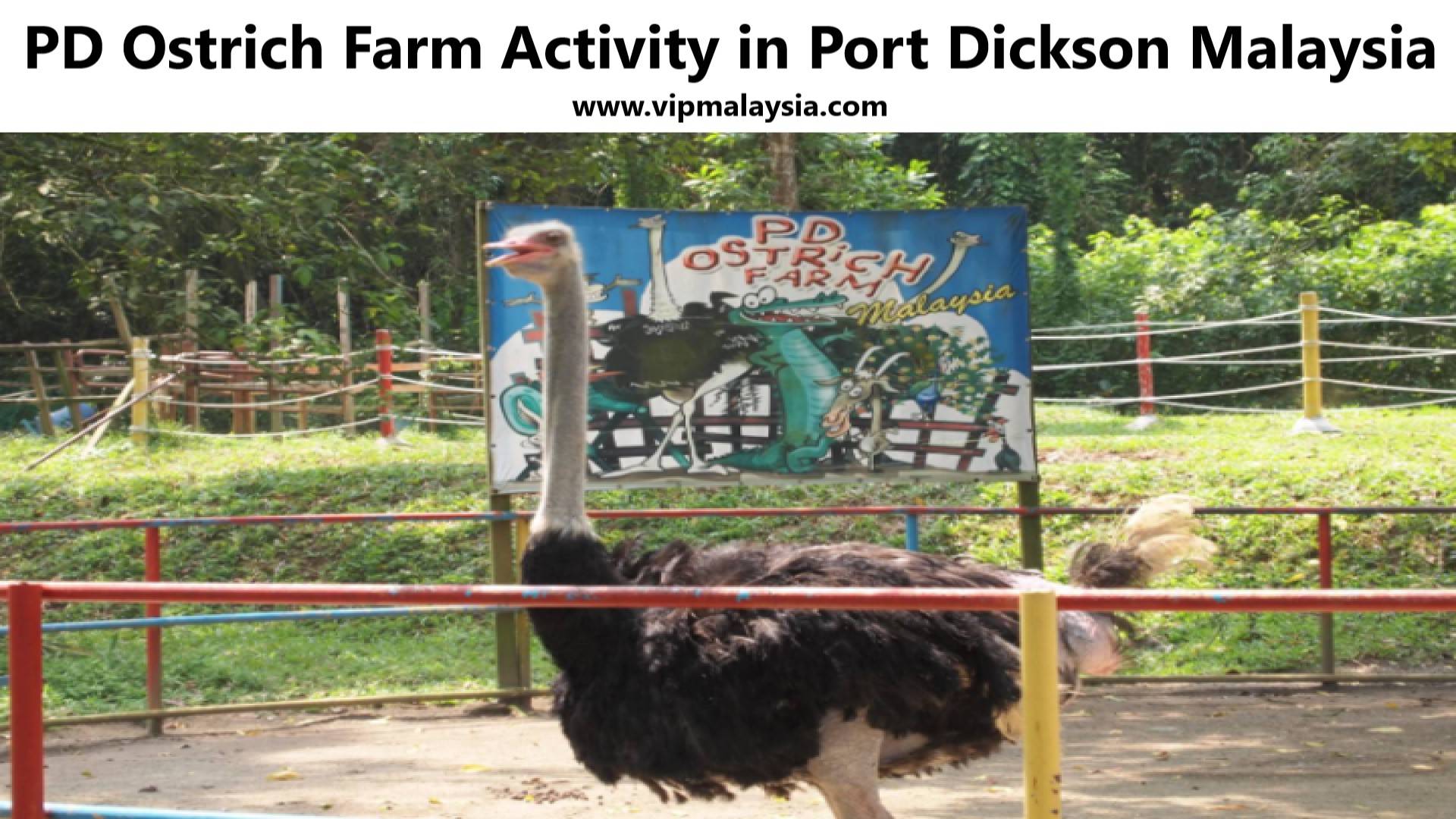
Fancy riding an Ostrich? Well, you can. Discover PD Ostrich Farm Port Dickson, a unique attraction where visitors can meet the world’s largest bird, explore interactive animal encounters, enjoy thrilling outdoor adventures, and experience cultural highlights along the famous “9 Wonders of PD” route. Perfect for families, nature lovers, and adventure seekers, this destination blends wildlife, fun, and local heritage.
Introduction
PD Ostrich Farm in Port Dickson, Malaysia, is more than just a farm—it is a vibrant hub of entertainment, education, and adventure. Located only 5 kilometers from Lexis Hibiscus Port Dickson, this farm has become a must-visit destination for locals and tourists alike. Established over a decade ago, the farm is home to ostriches, ponies, donkeys, rabbits, goats, and a wide variety of other animals. Visitors can enjoy hands-on experiences such as feeding, riding, and even racing ostriches under safe conditions. Beyond the animals, the farm offers adventure activities, cultural experiences, and access to nearby attractions that make it a cornerstone of Port Dickson tourism.
The “9 Wonders of PD” refers to a collection of experiential learning and nature-themed attractions in Port Dickson, Malaysia, designed for education, family fun, and tourism. It began with the PD Ostrich Show Farm and has expanded into multiple unique parks and activities.
Attractions
Ostrich Encounters
The ostriches are the stars of the farm. Visitors can feed them, pet them, and even try standing on their eggs to test the strength of their shells. Ostrich rides are available for those under 75 kilograms, offering a rare chance to experience the speed and grace of these birds. The farm also organizes ostrich races, which are a crowd favorite.
An ostrich is the world’s largest living bird, native to Africa, notable for being flightless but extremely fast on land, capable of running up to 70 km/h. It belongs to the genus Struthio and is recognized for its long legs, long neck, and powerful build. In Malay, the word for “ostrich” is burung unta. Ostriches are the fastest two-legged animals, using their long legs for speed and defense. Height: Up to 2.7 meters tall. Weight: Around 100–160 kg. Eggs: Ostrich eggs are the largest of any living bird, weighing up to 1.4 kg.
Visitor Facilities
The farm provides shaded resting areas, clean washrooms, and food stalls serving local delicacies. Families with children will appreciate the playgrounds and picnic spots, while animal lovers can spend hours interacting with the farm’s diverse residents.
Aquarium and Animal Variety
PD Ostrich Farm also houses an aquarium showcasing Malaysian freshwater fish. Beyond ostriches, visitors can meet ponies, donkeys, goats, geese, turkeys, ducks, and rabbits. The diversity of animals ensures a wholesome farm experience, appealing to both children and adults.
Wildlife Species List
Among the highlights are guinea pigs, exotic rabbit breeds, and colorful poultry. The aquarium features species such as the Malaysian mahseer and river catfish, offering insight into the country’s aquatic biodiversity.
Dinosaur Playground
The dinosaur-themed playground is a major draw for families. Featuring 15 dinosaur sculptures, some powered by animatronics, the playground offers interactive games such as shooting dinosaurs with toy guns or bows and arrows. Excavation sites allow children to dig for “fossils,” making it both fun and educational.
Fossils are natural records of ancient life, formed when plants, animals, or other organisms are preserved through geological processes. They can be body fossils (actual parts like bones, shells, teeth) or trace fossils (footprints, burrows, or imprints).
Culinary Delights
Hungry visitors can enjoy ostrich satay, ice cream, and other local dishes at the farm’s food stalls. The Man’s BFF Café, Malaysia’s first dog café, is located within the farm, offering a unique dining experience. Nearby restaurants serve seafood, western cuisine, and local specialties, making dining part of the adventure.
Cultural Festivals
During festive seasons, the farm hosts cultural events featuring traditional music, dance, and food. These festivals provide visitors with a deeper connection to Malaysian heritage while enjoying the farm’s attractions.
Trekking and Adventure
Outdoor Activities
PD Ostrich Farm offers archery, ATV rides, buggy rides, and paintball. These activities cater to thrill-seekers and families looking for outdoor fun. Adventure enthusiasts will find plenty to keep them engaged, from adrenaline-pumping rides to skill-based challenges.
ATV rides are recreational or adventure activities where people drive All-Terrain Vehicles (ATVs) across different types of landscapes such as dirt trails, forests, beaches, or rugged terrain. ATV rides involve operating a four-wheeled motorized vehicle designed for off-road use. ATVs are built with large tires, strong suspension, and handlebars for steering, making them suitable for uneven ground.
Buggy rides are recreational or adventure activities where people drive small, open-air vehicles called buggies across different terrains such as beaches, jungles, or dirt tracks. Buggy rides involve operating a lightweight, off-road vehicle designed for sandy, muddy, or rugged environments. Buggies are typically two- or four-seater vehicles with roll cages and wide tires for stability. Buggies are powerful and can tip over if misused, so training and supervision are essential.
Paintball is an adventure game combining strategy, teamwork, and physical activity. A competitive team sport and recreational activity where players eliminate opponents by hitting them with dye-filled capsules (paintballs) shot from air-powered markers (paintball guns). Players use compressed air or CO₂-powered markers to shoot paintballs that burst on impact, marking opponents.
Trekking Trails
Surrounding the farm are scenic trails that allow visitors to explore Port Dickson’s natural beauty. Trekking routes pass through lush greenery, offering glimpses of local wildlife and opportunities for photography.
Nearby Towns and Attractions
The farm is part of the “9 Wonders of PD” route, which includes Dinosaurs in the Jungle, Man’s BFF Café, and PD Extreme Jungle Park. Visitors can easily access these attractions directly from the farm, making it a convenient starting point for exploring Port Dickson.
Lexis Hibiscus Port Dickson
Located just 8 minutes away, Lexis Hibiscus is a luxury resort offering overwater villas shaped like a hibiscus flower. Visitors often combine a stay at the resort with a trip to the ostrich farm, creating a balanced itinerary of relaxation and adventure.
Visitor Experience
Guests can enjoy spa treatments, private pools, and beach activities at Lexis Hibiscus before heading to the farm for a day of exploration. The proximity makes it easy to plan a full weekend getaway.
Cultural Heritage of Port Dickson
Port Dickson is known for its beaches, seafood, and cultural festivals. Visitors to PD Ostrich Farm often extend their trip to explore the town’s heritage, including traditional Malay villages and local markets.
Traditional Malay villages, known as kampung, are rural settlements in Malaysia characterized by wooden houses on stilts, communal farming, mosques or surau, and a strong emphasis on family and community cooperation (gotong-royong). They represent the cultural and social roots of Malay society and remain symbols of heritage despite modernization. Leadership is traditionally under a penghulu (village chief), who oversees civil matters.
The Port Dickson International Triathlon
The Port Dickson International Triathlon and local seafood festivals attract thousands of visitors annually. These events highlight the town’s vibrant community and make it a lively destination beyond the farm.
A triathlon is a is a three-part multi-sport endurance race that combines swimming, cycling, and running in immediate succession. It tests an athlete’s stamina, versatility, and ability to transition smoothly between disciplines. Olympic triathlon – 1.5km swim, 40km bike, 10km run. Ironman – 3.8km swim, 180km bike, 42.2km run (full marathon).
Conclusion
PD Ostrich Farm Port Dickson Malaysia is a comprehensive destination that blends wildlife encounters, adventure activities, cultural experiences, and family-friendly fun. From feeding ostriches to exploring dinosaur playgrounds, visitors are guaranteed a memorable experience. Its proximity to luxury resorts and other attractions makes it a perfect centerpiece for any Port Dickson itinerary. Whether you are an animal lover, thrill-seeker, or cultural explorer, PD Ostrich Farm offers something for everyone.
Summary
Attraction: PD Ostrich Farm Activity in Port Dickson Malaysia
PD Ostrich Show Farm, Lot 1419, Jalan Kemang 13, Batu 9 Jalan Pantai Teluk Kemang, Port Dickson, Negeri Sembilan Telephone: 06-6627496, 018-2078682 (Mobile)
Visitor Reviews
James Carter, United Kingdom – ★★★★★ “I had an amazing time at PD Ostrich Farm. Feeding the ostriches was unforgettable, and the dinosaur playground kept my kids entertained for hours. The facilities were clean, and the staff were friendly. Highly recommended for families.”
Wahab Rahman, Singapore – ★★★★☆ “The farm was fun and educational. I loved the aquarium and the variety of animals. The ostrich satay was delicious, though I wish there were more shaded areas. Overall, a great experience.”
Carlos Mendoza, Spain – ★★★★★ “Riding the ostrich was a once-in-a-lifetime thrill! The adventure activities like ATV rides were exciting, and the nearby attractions made the trip even better. I would definitely visit again.”
John Wazza, Bulgaria – ★★★★☆ “The farm was well-organized, and the cultural festival during my visit added a special touch. My children enjoyed the excavation site at the dinosaur playground. It’s a must-visit when in Port Dickson.”
PD Ostrich Farm Port Dickson Vlog Merdeka 2020: Hi Assalamualaikum, semua! Selamat datang ke channel Yasmin Aisyah! Channel Yas ada pelbagai content. Pasal kecantikan, makeup, masak memasak, haul, vlog, review & macam-macam lagi! Senang cerita, seiring dengan nama channel ini mengisahkan tentang dunia Yas. Kalau anda masih baru, jom subscribe channel Yas & tekan bell notification untuk setia bersama channel Yas. Terima Kasih sudi menonton! Yasmin Aisyah youtube.com
Frequently Asked Questions (FAQs)
What are the activities in Port Dickson Ostrich Farm?
Activities in Port Dickson Ostrich Farm you can do as below:
Riding the Ostrich: Fancy riding an Ostrich? Yes, you can ride as long as you’re below 40kg!
Fun Rides! Our friendly donkeys and ponies are waiting for you.
Ostrich Race: Can you outrun our ostriches? Mystery prize awaits those who can!
PD Ostrich Farm Attractions: While ostriches are the main draw of the PD Ostrich Show Farm, we are proud to have a huge variety of other farm animals which together make a visit fun, entertaining, educational and a microcosm of what farms are like in Malaysia. Other residents of the farm include ponies, donkeys, goats, several breeds of rabbits, silkies and fizzled fowls, geese, turkeys, ducks and a host of other fowls. Petting animals include dogs, guinea pigs and other animals.
What is the largest and fastest two-legged animal on land?
Ostrich is the world’s largest bird and is also the fastest two-legged animal on land.
What other adventures and activities in Port Dickson, Malaysia?
At PD Ostrich Farm Port Dickson, our farm is part of a much larger and more comprehensive tourism spot. With our partner parks, situated on the same 20-acre of land, we also provide various active, adventure activities. These include Archery, ATV rides (dirt track and jungle circuit), Buggy ride (jungle circuit), Blowpipe & Slingshot, and paintball as well. Feeding of farm animals and pets, including ostrich, chicken, ducks, geese, rabbits, guinea pigs, turkeys and dogs. Rides available include ostrich, pony and donkey rides. ATV rides are also available at the farm.
What are 9 wonders of PD?
The 9 Wonders umbrella:
PD Ostrich Show Farm – The original and most popular site, featuring ostriches and other farm animals. Visitors can pet, feed, and interact with animals.
PD Herbal Oasis – A garden with over 200 types of herbs, showcasing traditional and medicinal plants.
PD Cat Park – A themed area for cat lovers, offering interaction with various breeds.
Carnivorous Garden PD – A unique display of carnivorous plants.
Ant Planet – Malaysia’s first ant farm attraction.
Dinosaurs in the Jungle – A themed trail with dinosaur replicas.
Dog Zoo & Cat Café – Pet-friendly spaces for animal interaction.
Seashell Museum & Extreme Jungle Park – Nature trails and adventure activities.
Night Farm Safari – Evening exploration of farm life.
Discover PD Waterfront, Port Dickson’s vibrant seaside development. With international restaurants, family attractions, and scenic coastal views, this rejuvenated township blends leisure, culture, and modern lifestyle.
Introduction
PD Waterfront in Port Dickson Malaysia is home to beautiful scenery and great attractions. From fun fairs to top restaurants and bars. This is a landmark rejuvenation project that has transformed the town’s coastal landscape. Developed by TSR Ocean Park Sdn Bhd, it is designed as a mixed-use hub combining dining, retail, entertainment, and scenic leisure spaces. Visitors are drawn to its seaside promenade, international restaurants, and family-friendly attractions. With phase one completed, PD Waterfront has already become a popular destination for both locals and tourists, offering a blend of modern amenities and natural beauty.
Highlights
Dining and Entertainment
PD Waterfront is home to a wide range of restaurants, cafes, and bars. Visitors can enjoy international cuisines alongside local delicacies, making it a culinary hotspot. The waterfront setting enhances the dining experience, with sea views complementing meals.
Culinary Variety
From seafood restaurants to international chains, the dining options cater to diverse tastes. Evening dining is particularly popular, as visitors enjoy the sunset over the Straits of Malacca while sampling local and global flavors.
Scenic Waterfront Promenade
The promenade is a highlight of PD Waterfront, offering panoramic views of the coastline. Families, joggers, and photographers frequent the area for leisure walks and scenic captures. The open-air design creates a relaxing environment, blending modern development with natural charm.
Recreational Atmosphere
The promenade often hosts fun fairs and community events, adding vibrancy to the area. Its accessibility makes it a favorite spot for both locals and tourists seeking relaxation by the sea.
Retail and Lifestyle Outlets
Phase one of PD Waterfront includes a directory of retail outlets offering shopping opportunities. Visitors can browse fashion, lifestyle products, and souvenirs. The retail mix complements the dining and entertainment options, creating a complete leisure destination.
Shopping Experience
Shops are designed to cater to both everyday needs and tourist interests. The integration of retail with scenic surroundings makes shopping at PD Waterfront a unique experience compared to traditional malls.
Family-Friendly Attractions
PD Waterfront hosts fun fairs and seasonal events that cater to families. Children enjoy rides, games, and interactive activities, while adults appreciate the lively atmosphere. The family-oriented design makes it a versatile destination for all age groups.
Community Engagement
Events often highlight local culture and traditions, fostering community spirit. Visitors gain insights into Port Dickson’s identity while enjoying recreational activities.
Visitor Facilities
Facilities at PD Waterfront include ample parking, clean restrooms, and accessible pathways. Restaurants and cafes provide comfortable seating with sea views. The well-maintained environment ensures convenience and enjoyment for visitors.
Accessibility
Located within Port Dickson town, PD Waterfront is easily accessible by car and public transport. Its central location makes it a convenient stop for tourists exploring the region.
Trekking and Adventure
Coastal Walks and Outdoor Activities
While PD Waterfront is primarily a leisure hub, its coastal location offers opportunities for outdoor activities. Visitors can enjoy seaside walks, jogging, and cycling along designated paths. The combination of modern facilities and natural scenery makes it ideal for casual adventure.
Evening Leisure
Evenings are particularly lively, with families strolling along the waterfront and joggers using the paths. The cool sea breeze enhances the outdoor experience, making it a refreshing activity for visitors.
Wildlife and Natural Surroundings
Despite its modern development, PD Waterfront remains close to natural habitats. Birds such as the Pacific Swallow, Common Myna, and Collared Kingfisher are often spotted along the coast. The integration of wildlife with urban development adds ecological richness to the area.
The Pacific Swallow (Hirundo tahitica) is a small passerine bird found widely across Southeast Asia and the Pacific islands. It belongs to the swallow family and is known for its graceful flight, forked tail, and mud-built nests often attached to buildings or cliffs. Size: About 13–15 cm in length. Habitat: Coastal areas, open fields, towns, and villages across Southeast Asia and the Pacific.
The Common Myna (Acridotheres tristis) is a medium-sized bird native to South Asia but now widespread across many parts of the world, including Southeast Asia. It is known for its adaptability to urban environments, loud calls, and opportunistic feeding habits. Appearance: Brown body, black head, bright yellow eye patch, beak, and legs. Size: About 23–26 cm in length.
The Collared Kingfisher (Todiramphus chloris) is a medium-sized kingfisher species widely distributed across coastal and mangrove regions in South and Southeast Asia, as well as parts of Australasia. It is easily recognized by its bright blue-green plumage and distinctive white collar around the neck. Size: About 22–29 cm in length. Habitat: Coastal areas, mangroves, mudflats, gardens, and sometimes inland forests.
Conservation Balance
Efforts are made to maintain greenery and natural habitats within the development. This balance ensures that wildlife continues to thrive alongside human activity, enhancing the visitor experience.
Nearby Towns and Attractions
PD Waterfront’s location allows visitors to explore nearby attractions. Port Dickson Beach offers coastal relaxation, while the Cape Rachado Lighthouse provides historical charm. Families may also enjoy the PD Ostrich Farm, adding variety to their itinerary.
Cultural Festivals
Port Dickson hosts festivals such as Hari Raya Aidilfitri celebrations and community events. Visitors can experience traditional music, food, and cultural performances, enriching their stay at PD Waterfront.
Conclusion
PD Waterfront is more than a development project—it is a coastal hub blending modern lifestyle, family attractions, and scenic beauty. With international dining, retail outlets, and a vibrant promenade, it has revitalized Port Dickson’s identity. Visitors can enjoy seaside leisure, cultural events, and nearby attractions, making it a versatile destination. For travelers seeking relaxation, entertainment, and cultural immersion, PD Waterfront is a must-visit in Port Dickson.
PD Waterfront Sales Gallery 1-02-1, Persiaran Waterfront, 1st Mile, 71000 Port Dickson, Negeri Sembilan, Malaysia. Telephone: 606.647.2808
Visitor Reviews
Name: Isabelle Dupont, France Review: “The waterfront promenade was beautiful. Dining by the sea while watching the sunset was unforgettable. A great place for families.” Rating: ★★★★★
Name: Ahmad Zulkifli, Malaysia Review: “PD Waterfront has really improved Port Dickson. The restaurants are excellent, and the fun fair was enjoyable for my kids.” Rating: ★★★★☆
Name: Priya Nair, India Review: “I loved the mix of shopping and seaside relaxation. The facilities were clean and well maintained. Highly recommended.” Rating: ★★★★★
Name: Daniel Foster, Australia Review: “The atmosphere was lively, and the coastal views were stunning. It’s a perfect spot for an evening walk and dining.” Rating: ★★★★☆
Hangout at Port Dickson Waterfront: Ia merupakan kawasan santai dan riadah untuk menenangkan fikiran yang terletak di Port Dickson. Ia merupakan tempat yang sesuai untuk bawa keluarga keluar jalan jalan dan bersantai. Ia tempat yang selamat untuk kanak kanak dan mempunyai kawasan yang lapang. terdapat pelbagai aktiviti yang boleh dilakukan di sini seperti bermain layang-layang. Di sini juga terdapat pelbagai restoran dan rantaian makanan segera seperti McDonald dan Starbucks. Pasaraya TF mart juga terletak di sini untuk anda membeli barang keperluan anda. JOM KITA SAMA-SAMA DATANG KE SINI UNTUK MEMERIAHKAN SUASANA. Onoki Travel youtube.com
Menarik Di Port Dickson Malaysia: Jika anda ingin berehat sambil menikmati hidangan makanan yang menarik di tepi laut, membeli-belah atau berjumpa dengan rakan-rakan, Port Dickson Waterfront adalah satu tempat yang memiliki kesemuanya. Daripada penginapan, restoran, kafe, bank dan hiburan, ianya menjadi tempat yang wajib anda lawati di Port Dickson Malaysia. Sepanjang tahun terdapat banyak acara, pertandingan dan perayaan yang membolehkan orang ramai kembali ke PD Waterfront. Linggi PI1M youtube.com
Frequently Asked Questions (FAQs)
What can do you in PD Waterfront, Port Dickson Malaysia?
Whether you want to relax with a nice meal by the sea, do your grocery shopping or meet with friends, Port Dickson Waterfront has it all. From accommodation to bars, cafes, banks and amusements, PD Waterfront really is a one stop outlet for all purposes. Throughout the year there are many events, competitions and festivals that keep people coming back to here. Please check our events and news page for more information on current and upcoming activities.
What fun activities can you do in PD Waterfront, Port Dickson?
PD Waterfront Port Dickson is a place for the whole family. Hosting events all year round that can be enjoyed by people of all ages. There are Powerboat races, giant inflatables and fun fairs to keep the children entertained whilst the adults can relax in any of our great cafes and restaurants. It boasts a great selection in cuisine and there are restaurants to suit everybody’s favorite.
Step into Malaysia’s military past at the Muzium Tentera Darat in Port Dickson. With free admission, interactive exhibits, and authentic wartime artifacts, this museum offers a fascinating journey through Malaysia’s defense history.
Introduction
The Muzium Tentera Darat, or Army Museum, is Malaysia’s largest military museum and a cornerstone of national heritage. Located in Port Dickson, Negeri Sembilan, it showcases the evolution of Malaysia’s armed forces from colonial times to modern defense strategies. Visitors can explore authentic tanks, aircraft, and weaponry, alongside interactive exhibits that bring history to life. With free admission, the museum is accessible to families, students, and history enthusiasts, making it one of the most popular attractions in the region.
Highlights
Army Vehicles and Warfare Equipment
The museum’s outdoor exhibits feature authentic military vehicles, including tanks, artillery, and aircraft. Visitors can walk among these machines, gaining a sense of the scale and power of Malaysia’s defense forces. World War II relics and modern weaponry highlight the evolution of military technology.
World War II was a global conflict fought between 1939 and 1945, involving most of the world’s nations, including all major powers, organized into two opposing military alliances: the Allies and the Axis. It was the deadliest and most widespread war in history, reshaping international politics, economies, and societies. Major alliances:Axis: Led by Germany, Italy, and Japan. Allies: Led by the United States, Soviet Union, United Kingdom, and China. Casualties: Estimated 70–85 million people, including military and civilian deaths. Outcome: Allied victory, leading to the defeat of Nazi Germany and Imperial Japan.
Interactive Displays
Children and adults alike enjoy hands-on exhibits that allow them to engage with replicas of weaponry and equipment. These interactive experiences make learning about military history both educational and entertaining.
Colonial and Malaysian Independence History
Inside the museum, galleries trace Malaysia’s journey from colonial rule to independence. Artifacts from the British era, Japanese occupation, and post-independence struggles provide context for the nation’s military development. Detailed records honor war heroes who fought for Malaysia’s sovereignty.
Malaysian Independence refers to the historic event on 31 August 1957 when the Federation of Malaya (now Malaysia) gained sovereignty from British colonial rule. It marked the birth of a new nation, celebrated annually as Hari Merdeka (Independence Day). Malaya had been under Portuguese, Dutch, and British control before independence. Declared at Merdeka Stadium, Kuala Lumpur, by Tunku Abdul Rahman, the country’s first Prime Minister.
The Japanese Occupation refers to the period during World War II (1941–1945) when Japan invaded and ruled Malaya, Singapore, Borneo, and other parts of Southeast Asia. It was marked by military control, economic hardship, and widespread suffering among local populations. Concluded with Japan’s surrender in August 1945 after the atomic bombings of Hiroshima and Nagasaki.
Wartime Narratives
Visitors can explore dioramas depicting key battles and strategies. These exhibits bring to life the challenges faced by soldiers and civilians during turbulent times. The museum’s dedication to preserving these stories ensures that future generations understand the sacrifices made.
Special Exhibits and Army Heritage
The museum also features special exhibits highlighting leadership milestones and inspiring stories of bravery. A timeline of Malaysia’s military achievements showcases decades of progress. Former generals and commanders are honored for their contributions to national defense.
Heroic Stories
Exhibits include personal accounts of soldiers who displayed courage in the face of adversity. These stories resonate with visitors, emphasizing the human side of military history. The museum serves as a tribute to Malaysia’s armed forces.
Trekking and Adventure
Exploring the Museum Grounds
The expansive grounds of Muzium Tentera Darat offer more than indoor exhibits. Visitors can trek through outdoor displays, exploring tanks, helicopters, and artillery positioned across the site. The open-air environment creates a sense of adventure, blending history with exploration.
Outdoor Experience
Walking among the vehicles provides a tangible connection to Malaysia’s military past. The scale of the machinery impresses visitors, making the outdoor area a highlight of the museum visit.
Wildlife and Natural Surroundings
Located in Port Dickson, the museum is surrounded by coastal landscapes and greenery. Birds such as the Asian Koel, White-throated Kingfisher, and Olive-backed Sunbird are often spotted around the grounds. The natural setting enhances the visitor experience, combining history with nature.
Conservation Efforts
The museum maintains its grounds with care, ensuring that wildlife thrives alongside historical exhibits. This balance between preservation and education adds depth to the overall experience.
Must-Visit Highlights
Historical Galleries
The museum’s galleries are meticulously curated, covering Malaysia’s colonial struggles, independence, and modern defense strategies. Artifacts, uniforms, and weaponry provide a comprehensive view of military history.
Educational Value
School groups often visit the museum for educational trips. The exhibits are designed to be informative, making them suitable for both casual visitors and serious history buffs.
Visitor Facilities
Muzium Tentera Darat offers well-maintained facilities, including rest areas, souvenir shops, and guided tours. Free admission makes it accessible to all. Families appreciate the clean environment and interactive exhibits tailored for children.
Accessibility
The museum is located near Port Dickson town, making it easy to combine with other attractions. Parking is available, and the site is designed to accommodate large groups.
Nearby Attractions
Visitors often pair their museum trip with nearby destinations. Port Dickson Beach offers coastal relaxation, while the Cape Rachado Lighthouse provides historical charm. Families may also enjoy the PD Ostrich Farm, adding variety to their itinerary.
PD Ostrich Farm is a family-friendly agro-tourism attraction located in Port Dickson, Negeri Sembilan, Malaysia. It is best known for its ostriches, but also features a variety of farm animals, interactive activities, and educational exhibits.
Cultural Integration
These nearby attractions complement the museum experience, allowing visitors to explore both history and leisure. Port Dickson’s blend of cultural and recreational sites makes it a versatile travel destination.
Conclusion
The Muzium Tentera Darat is more than a museum—it is a living tribute to Malaysia’s military heritage. With authentic vehicles, wartime artifacts, and inspiring stories of bravery, it offers a comprehensive journey through the nation’s defense history. Free admission and family-friendly facilities make it accessible to all, while nearby attractions enhance the travel experience. For those seeking history, culture, and adventure, Muzium Tentera Darat in Port Dickson is an unmissable destination.
Summary
Attraction: Muzium Tentera Darat
Location: #NegeriSembilan
Attraction Type: #Museum
Source: rccapenautica.com, mppd.gov.my
Key Features:
Largest army museum in Malaysia – Comparable to international military museums
Free admission for all visitors – A cost-free, enriching experience
Fascinating historical artifacts & replicas – Showcasing Malaysia’s wartime past and independence struggles
Interactive exhibits with tanks, aircraft, and weaponry – A hands-on military adventure for adults & kids
Quick Info
Attribute
Details
Name
Muzium Tentera Darat
Location
Kampung Baru Sirusa, 71050 Port Dickson, Negeri Sembilan, Malaysia
GPS Position
2.5180° N, 101.7985° E
State
Negeri Sembilan
Facility Type
Military Museum
Special Attractions
Army Vehicles, Historical Artifacts, War Stories, Free Admission
Nearby Attractions
Port Dickson Beach, Cape Rachado Lighthouse, PD Ostrich Farm
Accessibility
Located near Port Dickson town, accessible via main roads
Best Time to Visit
Morning or afternoon for a comfortable tour experience
Opening Hours
9:00 AM – 5:00 PM Daily
Contact
Tourism Negeri Sembilan Office. Phone: Main line: 06-646 4263, additional lines: 06-646 2359, 06-647 1266
Visitor Reviews
Name: Elena Rossi, Italy Review: “The museum was impressive. Seeing real tanks and aircraft up close was unforgettable. It’s a great place for families and history lovers.” Rating: ★★★★★
Name: Amirul Rahman, Brunei Review: “I enjoyed learning about Malaysia’s independence struggles. The exhibits were detailed and well presented. Free admission is a bonus.” Rating: ★★★★☆
Name: Sophie Clarke, United Kingdom Review: “The outdoor displays were my favorite. Walking among the military vehicles felt like stepping back in time. Highly recommended.” Rating: ★★★★★
Name: Kenji Nakamura, Japan Review: “The museum is well maintained and informative. The stories of bravery were inspiring, and the nearby beach made the trip even better.” Rating: ★★★★☆
“A must-visit for history lovers!” – Azri, Malaysia “The displays were well-organized, and the military vehicles were impressive!”
“Fascinating exhibits with free entry!” – Sam, UK “Great for families—informative and fun, especially seeing the tanks up close!”
“Perfect for military history enthusiasts!” – Rajesh, India “The museum highlights Malaysia’s defense evolution brilliantly!”
“Educational and inspiring!” – Emily, Australia “The stories of war heroes made this visit truly memorable!”
Frequently Asked Questions (FAQs)
Dimanakah lokasi Muzium Tentera Darat di Malaysia?
Muzium Tentera Darat terletak di Port Dickson iaitu di Batu 4, berdekatan dengan Pusat Latihan Asas Tentera Darat. Ianya mudah dikunjungai kerana ianya terletak di jalan susur keluar lebuhraya Seremban ke Teluk Kemang.
Untuk maklumat lanjut, sila hubungi nombor tertera dibawah:
Penolong Pengarah Muzium Tentera Darat Batu 4, Kem Si Rusa 71050 Port Dickson. Tel: 06 – 6462359
Apakah kemudahan yang ada di Muzium Tentera Darat, Port Dickson?
Berbagai kemudahan asas banyak terdapat di sini. Contohnya surau, kedai cendera mata, bilik tayangan video, Kedai cenderamata, kafe, tandas awam dan sebangainya. Seandainya memerlukan penerangan secara berkumpulan, Pembantu Penerangan turut disediakan bagi mendapatkan maklumat secara tepat.
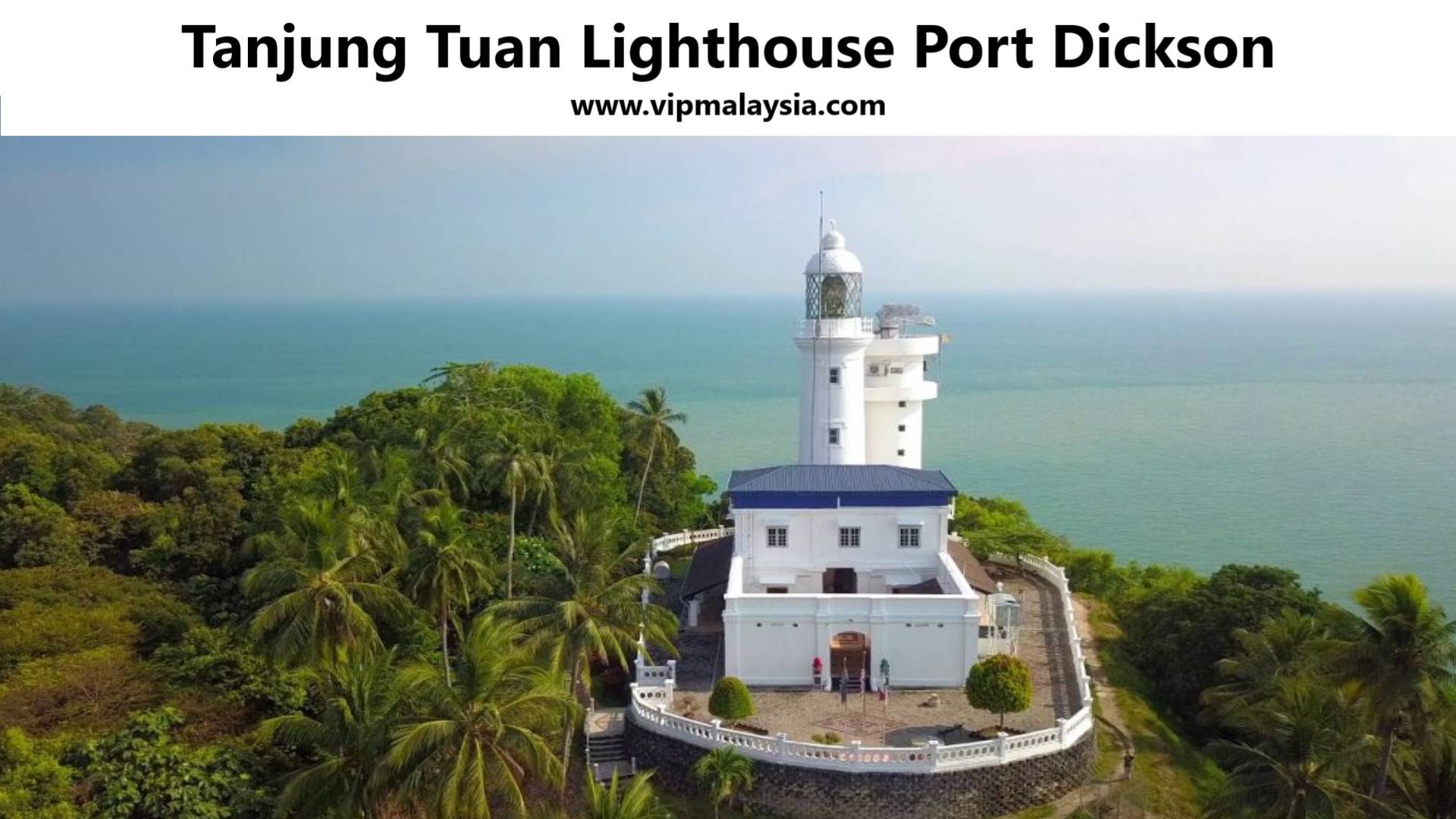
Discover the historic Tanjung Tuan Lighthouse in Port Dickson, Malaysia. Nestled within Cape Rachado’s nature reserve, this landmark offers breathtaking views, jungle trekking, hidden beaches, and rich wildlife encounters.
Introduction
Standing tall on Cape Rachado, the Tanjung Tuan Lighthouse is one of Malaysia’s most iconic coastal landmarks. Located about 18 kilometers south of Port Dickson town, it is surrounded by an 80-hectare gazetted wildlife sanctuary. The site combines history, nature, and adventure, making it a favorite destination for travelers seeking both cultural heritage and outdoor exploration. From panoramic views of the Straits of Malacca to jungle trails leading to secluded beaches, Tanjung Tuan offers a unique blend of experiences.
The Straits of Malacca is one of the world’s most important and busiest shipping lanes, located between the Malay Peninsula (Malaysia and Thailand) and the Indonesian island of Sumatra. It connects the Indian Ocean to the South China Sea and the Pacific Ocean, making it a vital maritime passage for global trade. Narrowest point is around 2.8 km near Singapore. Serves as a major route for oil, gas, and goods transported between the Middle East, Europe, and East Asia.
Highlights
Historical Significance of the Lighthouse
Built during the Portuguese era, the lighthouse has witnessed centuries of maritime history. It overlooks the Straits of Malacca, one of the busiest shipping lanes in the world. The site was also the location of a naval battle in 1606 between Dutch and Portuguese forces, adding historical depth to its scenic beauty.
Maritime Heritage
Visitors can learn about the lighthouse’s role in guiding ships safely along the coast. Its strategic position highlights Malaysia’s importance in global trade routes. The lighthouse remains a symbol of resilience and maritime heritage.
Amazing View from the Summit
The peak of Cape Rachado offers sweeping views of the sea and lush forest below. On clear days, visitors can even glimpse the outline of Sumatra across the straits. Granite outcrops and coastal cliffs add dramatic charm to the scenery.
Cape Rachado, also known as Tanjung Tuan, is a historic headland located near Port Dickson, Negeri Sembilan, Malaysia. It is believed to be the oldest in Malaysia, built during Portuguese rule in the 16th century. and famous for its ancient lighthouse, forest reserve, and scenic coastal views, making it both a heritage site and a nature attraction.
Photographers often capture the interplay of sunlight on the waves and the vibrant greenery of the forest. The viewpoint at Bukit Batu Putih is especially popular, providing a limestone outcrop vantage point over Port Dickson’s coastline.
Blue Lagoon and Pantai Cermin
At the base of Cape Rachado lie two beloved beaches: Blue Lagoon and Pantai Cermin. These sheltered spots are perfect for swimming, picnics, and family outings. Their proximity to the lighthouse makes them convenient additions to a day trip.
Coastal Charm
Blue Lagoon is known for its calm waters and scenic backdrop, while Pantai Cermin offers a quieter atmosphere. Both beaches are ideal for relaxation after trekking through the forest trails.
Trekking and Adventure
Jungle Trails and Hidden Beaches
Cape Rachado’s forest reserve is crisscrossed with trails leading to hidden beaches. Visitors can trek through dense jungle, encountering wildlife along the way. The most popular trail leads to a beach facing Pulau Intan island, offering pristine scenery and tranquility.
Pulau Intan is a small island located off the coast of Negeri Sembilan, near Tanjung Tuan (Cape Rachado) and Port Dickson. It is part of the Tanjung Tuan Recreational Forest area and is known for its natural beauty, hiking trails, and proximity to the historic Cape Rachado Lighthouse.
Trail Experiences
The trek is moderately challenging, with hilly slopes and natural obstacles. Adventurers enjoy the sense of discovery as they reach secluded bays untouched by development. Each trail provides a unique perspective of the reserve’s natural charisma.
Batu Putih Viewpoint
Another highlight is the trail to Batu Putih, a limestone outcrop overlooking Port Dickson’s coastline. The viewpoint offers panoramic vistas and is a favorite among hikers. The trek combines physical challenge with rewarding scenery, making it a must-do activity. Typically reached via hiking trails through Tanjung Tuan Recreational Forest.
Wildlife Encounters
Along the trail, visitors may spot insects, mammals, and birds. The area is rich in biodiversity, with species such as hornbills, macaques, and butterflies thriving in the forest. These encounters add excitement to the trekking experience.
Cape Rachado Nature Reserve
The reserve surrounding the lighthouse is a protected sanctuary. It covers 80 hectares of forest, providing habitat for diverse flora and fauna. Birdwatching is particularly popular, with migratory species passing through during certain seasons.
Conservation Importance
The reserve plays a vital role in preserving Malaysia’s coastal ecosystems. Visitors gain awareness of conservation efforts while enjoying recreational activities. The balance between tourism and preservation is carefully maintained.
Visitor Facilities
Facilities at Cape Rachado include paved roads leading to the lighthouse, rest areas, and entry gates with affordable fees. Private vehicles are not allowed beyond certain points, ensuring the area remains peaceful. Joggers often use the uphill road in the evenings, adding to the recreational atmosphere.
Accessibility
The lighthouse is approximately 20 minutes’ drive from Port Dickson town, making it easily accessible for day trips. Nearby resorts and apartments provide accommodation options for longer stays.
Nearby Towns and Cultural Attractions
Port Dickson itself offers a blend of modern amenities and cultural sites. Visitors can explore local markets, seafood restaurants, and historical landmarks. The town’s proximity to Negeri Sembilan and Malacca adds variety to travel itineraries.
Cultural Festivals
Travelers may time their visit to coincide with local festivals, such as Hari Raya Aidilfitri or community events celebrating coastal heritage. These festivals enrich the experience with traditional music, food, and communal spirit.
Conclusion
The Tanjung Tuan Lighthouse is more than a historical structure—it is a gateway to scenic views, adventurous treks, and cultural immersion. From its maritime heritage to its natural reserve, the site embodies Malaysia’s coastal charm. Visitors can enjoy hidden beaches, wildlife encounters, and nearby attractions, making it a versatile destination. For those seeking history, nature, and adventure, Tanjung Tuan Lighthouse in Port Dickson is an unforgettable journey.
Name: Sofia Andersson, Sweden Review: “The trek to Batu Putih was challenging but worth it. The view of the coastline was breathtaking, and the wildlife sightings made it even more special.” Rating: ★★★★★
Name: Chen Wei, China Review: “I loved the peaceful atmosphere of Blue Lagoon after visiting the lighthouse. The combination of history and nature made the trip memorable.” Rating: ★★★★☆
Name: Fatima Al-Hassan, Saudi Arabia Review: “The lighthouse is beautiful, and the forest reserve is well maintained. It was inspiring to learn about its history while enjoying the scenery.” Rating: ★★★★★
Name: Lucas Brown, United States Review: “Cape Rachado is a hidden gem. The trails were fun, and the view of Sumatra from the summit was incredible. Highly recommended for nature lovers.” Rating: ★★★★☆
Tanjung Tuan Lighthouse Solo Hiking at Bukit Batu Putih Port Dickson
A solo hike to Bukit Batu Putih, Port Dickson. The location is situated between Port Dickson and Melaka, Malaysia. Hiking is very easy if you follow the track. A must-see attraction while you are in this area are,
Bukit Batu Putih
Cape Rachado Lighthouse
Tanjung Tuan Beach
Bukit Batu Putih is a nice spot for hiking, walking and relaxing with excellent view strait of Malacca. Enjoy this video with relaxing music.
syamoes youtube.com
Rumah Api Tanjung Tuan Port Dickson Malaysia ” Cape Rachado Lighthouse”
The Cape Rachado Lighthouse is a lighthouse also known as Tanjung Tuan in Malay, in Alor Gajah District, Malacca, Malaysia. The lighthouse is believed to be the oldest in the country, its history allegedly dating back to Portuguese rule of Malacca during the 16th century.
LEBAH DI CHANNEL youtube.com
Frequently Asked Questions (FAQs)
What is the story behind Tanjung Tuan Lighthouse and Portuguese word for ‘Broken Cape’?
Tanjung Tuan Lighthouse – Cape Rachado is named after the Portuguese word for ‘Broken Cape’. After conquering Malacca, the Portuguese colonial forces built a lighthouse at the peak in 1528, to guide friendly vessels to the port and keep an eye out for enemy ships. This historica lighthouse still stands here today, but with modern enhancements and adjoining radar transmitter that visitors can see.
Where is Portugese Cape Rachado Lighthouse located?
A Portuguese Cape Rachado Lighthouse is located at Tanjung Tuan, Port Dickson, Negeri Sembilan Malaysia. You can do a lot of activities there and enjoy spectacular view from the tower
What hidden attractions in Port Dickson, Malaysia, should you visit?
Cape Rachado Lighthouse is a hidden attraction and unknown to many tourists (even locals). The lightone stands majestically and is said to be one of the oldest in the country which dates back to the Portuguese rule in Malacca.
Explore Negeri Sembilan, Malaysia’s cultural heartland, where Minangkabau traditions, historical landmarks, and fiery cuisine come together. From royal palaces to coastal escapes, discover a state rich in heritage and modern charm.
Introduction
Negeri Sembilan is a state that beautifully blends history, culture, and modern development. Known for its Minangkabau traditions and the unique Adat Perpatih matrilineal system, it stands apart as one of Malaysia’s most distinctive regions. The state’s architectural beauty, with upswept Minangkabau-style roofs, reflects centuries of heritage. Visitors are also drawn to its diverse culinary delights, particularly the fiery masak lemak cili api. With attractions ranging from royal palaces to seaside towns, Negeri Sembilan offers a complete travel experience that is both educational and enjoyable.
Highlights
Negeri Sembilan Cuisine
Food is central to the state’s cultural identity. The signature dish, masak lemak cili api, is a coconut-based curry infused with chili, offering a fiery yet flavorful experience. Influences from Malay, Chinese, and Indian cuisines add diversity to the culinary scene.
Culinary Heritage
Cooking methods emphasize traditional spices and techniques passed down through generations. Meals are often communal, reflecting the social harmony promoted by Adat Perpatih. Visitors can enjoy authentic Minangkabau-style meals in homestays, local restaurants, and cultural festivals.
Minangkabau-style meals are traditional dishes originating from the Minangkabau people of West Sumatra, Indonesia, and are also widely enjoyed in Negeri Sembilan, Malaysia. They are characterized by bold flavors, heavy use of coconut milk, chilies, and spices, and often prepared in communal settings for family gatherings or ceremonies. Many dishes, like rendang, are simmered for hours to deepen flavor.
Seri Menanti Royal Palace
The Seri Menanti Royal Palace is a cultural treasure showcasing Minangkabau architecture. Built entirely of timber without nails, it reflects the ingenuity of traditional craftsmen. The palace serves as a museum, offering insights into royal traditions and governance.
Historical Significance
Visitors learn about the lineage of rulers and the role of the palace in state administration. Exhibits include royal regalia, artifacts, and historical documents. The palace remains a symbol of Negeri Sembilan’s cultural pride.
Trekking and Adventure
Village Lifestyle and Farming Adventures
Rural areas in Negeri Sembilan provide opportunities for visitors to experience farming life. Guests can learn rice cultivation techniques, fruit harvesting, and livestock management. These activities highlight the resilience and traditions of village communities.
Immersive Experiences
Hands-on participation allows visitors to appreciate the effort behind agricultural practices. Whether planting seedlings or feeding goats, these activities foster a deeper connection to rural life. Families and children particularly enjoy the interactive nature of these adventures.
Wildlife and Nature Encounters
Negeri Sembilan’s landscapes are home to diverse wildlife. Birds such as the White-throated Kingfisher, Asian Koel, and Olive-backed Sunbird thrive in the countryside. Butterflies and small mammals add to the ecological richness.
Conservation Awareness
Local communities emphasize sustainable farming practices that protect natural habitats. By minimizing pesticide use, they ensure biodiversity flourishes. Visitors gain insight into how traditional lifestyles coexist with ecological preservation.
Seremban Lake Garden
Located in the capital city, Seremban Lake Garden is a popular recreational spot. Its lush greenery and serene lakes provide a peaceful escape from urban life. Families often gather here for picnics, leisure walks, and photography.
Seremban Lake Garden is one of the oldest and most popular public parks in Seremban, Negeri Sembilan, Malaysia. Established during the British colonial era, it is a scenic recreational area featuring landscaped gardens, lakes, and walking paths, making it a favorite spot for both locals and visitors. Features: Man-made lakes, bridges, jogging tracks, playgrounds, and landscaped greenery.
Community Engagement
The garden hosts cultural events and festivals, making it a lively center for community activities. Its accessibility and scenic beauty make it a must-visit attraction for both locals and tourists.
Port Dickson Beaches
Port Dickson is renowned for its sandy beaches and coastal charm. Visitors can enjoy watersports, seafood dining, and seaside relaxation. The beaches are among Malaysia’s favorite coastal escapes, attracting both domestic and international tourists.
Port Dickson, Negeri Sembilan, is famous for its 18 km stretch of coastline, offering numerous beaches such as Blue Lagoon, Pantai Cahaya Negeri, Pantai Teluk Kemang, Pantai Saujana, Pantai Cermin, Pantai Bagan Pinang and Tanjung Tuan. These beaches are among the most popular for locals and tourists seeking relaxation, water sports, and scenic views.
Blue Lagoon: A small, sheltered bay near Cape Rachado, ideal for swimming and family outings.
Pantai Cahaya Negeri: One of the largest and most scenic beaches, with a long stretch of sand and a recreational park.
Tanjung Tuan: Famous for its forest reserve and lighthouse, offering hiking trails and panoramic sea views.
Pantai Teluk Kemang: The busiest beach, popular for water sports, food stalls, and family activities.
Pantai Saujana: Known for its wide sandy area, often hosting events and beach sports.
Pantai Cermin: A quieter beach, less crowded, perfect for relaxation.
Pantai Bagan Pinang: Offers calm waters and is close to resorts, making it convenient for visitors.
Seaside Activities
Fishing trips, boat rides, and evening strolls along the shore are popular among visitors. The vibrant seafood scene adds culinary delight to the coastal experience. Port Dickson’s blend of leisure and culture makes it a versatile destination.
Cultural Festivals
Negeri Sembilan hosts vibrant festivals that celebrate its heritage. Events such as Hari Raya Aidilfitri and Minangkabau cultural performances showcase traditional music, dance, and cuisine.
Festival Atmosphere
Guests are welcomed into community celebrations, experiencing the warmth and hospitality of local residents. These festivals highlight the communal spirit and cultural richness of Negeri Sembilan, leaving lasting impressions on visitors.
Conclusion
Negeri Sembilan is a destination that offers rich cultural traditions, historical landmarks, and modern attractions. From the legacy of Adat Perpatih to the architectural beauty of Minangkabau-inspired structures, the state embodies Malaysia’s heritage. Visitors can enjoy fiery cuisine, explore royal palaces, and relax on coastal beaches. For travelers seeking culture, history, and adventure, Negeri Sembilan is an unforgettable journey into Malaysia’s heartland.
Visitor Reviews
Name: Laura Martinez, Mexico Review: “The Seri Menanti Royal Palace was breathtaking. Learning about Minangkabau traditions made the trip truly special.” Rating: ★★★★★
Name: Rajiv Patel, India Review: “I enjoyed the food culture in Negeri Sembilan. Masak lemak cili api was spicy but delicious, and the people were very welcoming.” Rating: ★★★★☆
Name: Hannah Williams, Canada Review: “Seremban Lake Garden was peaceful and beautiful. It was a great spot to relax and enjoy nature.” Rating: ★★★★☆
Name: Yusuf Ibrahim, Egypt Review: “Port Dickson beaches were amazing. The seafood was fresh, and the atmosphere was lively yet relaxing.” Rating: ★★★★★
“A cultural treasure!” – Tajol, Malaysia “Learning about Adat Perpatih was fascinating—it’s truly unique in Malaysia!”
“Fiery flavors & heritage!” – David, UK “Negeri Sembilan’s cuisine is bold and delicious—I loved every bite!”
“Rich traditions & stunning scenery!” – Sivarasa, India “The historical sites and Minangkabau houses added great depth to my visit!”
“A blend of history & modernity!” – Emily, Australia “Seeing traditional culture preserved in modern development was inspiring!”
Frequently Asked Questions (FAQs)
Where the name Negeri Sembilan derived from?
Negeri Sembilan was settled between the 15th and the 16th century by the Minangkabau people of West Sumatra who migrated to the region during the height of the Malay Sultanate in Malacca. The name ‘Adat Perpatih’ is derived from Datuk Parapatieh Nan Sebatang, a nick name used by Sutan Balun. Adat Perpatih was introduced in Negeri Sembilan subsequent to the migration of the Minangkabau in the 14th century.
What is Negeri Sembilan at a glance?
Location: Negeri Sembilan is a state in Malaysia located on the western coast of Peninsular Malaysia. It is bordered by the states of Melaka to the south, Pahang to the east, and Selangor to the north.
Capital: Seremban is the state capital and a central hub for administration and commerce.
Culture: Negeri Sembilan is renowned for its unique Minangkabau culture, which is characterized by its matrilineal society, where heritage and property are passed down through the female line. The traditional Minangkabau architecture, with its distinctive curved rooflines, is a notable feature of the state.
Language: Malay is the official language, and English is also widely understood.
Tourist Attractions:
Port Dickson: A popular coastal town known for its beautiful beaches and resorts.
Seremban: The state capital offers attractions such as the Seremban Lake Garden and the Negeri Sembilan State Museum.
Jempol: Famous for its agricultural areas, including palm oil plantations and rubber estates.
Taman Negara Endau-Rompin: A rainforest park with rich biodiversity and opportunities for eco-tourism.
Cuisine: Negeri Sembilan is known for its distinctive cuisine, including dishes like Masak Lemak Cili Padi (spicy coconut milk curry), Rendang, and Dendeng (dried, spiced meat).
Festivals: The state celebrates various festivals, including the annual Harith Iskander Festival and traditional Malay festivities such as Hari Raya Aidilfitri and Deepavali.
Economy: The economy is driven by agriculture, manufacturing, and tourism. Key products include palm oil, rubber, and processed foods.
Climate: Negeri Sembilan has a tropical climate with high humidity and consistent rainfall throughout the year, making it ideal for year-round visits.
Negeri Sembilan Overview: Key Facts and Figures
State: Negeri Sembilan
Capital: Seremban
Population: Approximately 823,400
Average Temperature: 26 – 27°C
Humidity: 82 – 86%
Total Area: 664,591 hectares
State Emblem: The emblem features yellow, representing the royal color of the Rulers; red, symbolizing the people; and black, representing Dato’ Undang.
Current Monarch: Duli Yang Maha Mulia Tuanku Ja’afar Ibni Al-Marhum Tuanku Abdul Rahman
What is the legendary and evergreen Negeri Sembilan songs?
The evergreen Apo Nak Dikato, sang in the local Negeri Sembilan dialect captured the top spot as the most popular hit in the early eighties with its catchy contemporary blues rhythm. While the song managed to gain popularity with the unique sounds of the local dialect, Negeri Sembilan also boasts of traditional music like the Caklempong, Dikir Rebana, Tumbuk Kalang, and Bongai.
What is the traditional Negeri Sembilan costumes?
The baju melayu cekak musang, sampin and tengkolok give the aura of the “masculiniy of a Malay warrior” to the man while the baju kurung teratai worn with the tudung dwi rebung, a headgear which has slightly upturned ends, reflects the identity of a Negeri Sembilan lady. This beautiful attire is usually the choice of married couples for the bersanding (sitting on a dias at the wedding reception) ceremony and is also displayed in full color during traditional shows and performances.
The baju melayu cekak musang, sampin and tengkolok give the aura of the “masculinity of a Malay warrior” to the man while the baju kurung teratai worn with the tudung dwi rebung, a headgear which has slightly upturned ends, reflects the identity of a Negeri Sembilan lady.
Where did the name Adat Perpatih derived from?
The name ‘Adat Perpatih’ is derived from Datuk Parapatieh Nan Sebatang, a nick name used by Sutan Balun. Adat Perpatih was introduced in Negeri Sembilan subsequent to the migration of the Minangkabau in the 14th century. It is the local variation of the motherlands. The custom is practiced by twelve clans (The biggest family unit) which are Biduanda, Batu Hampar, Paya Kumboh, Mungkal, Tiga Nenek, Sri Melenggang, Sri Lemak, Batu belah, Tanah Datar, Anak Melaka, Anak Acheh and Tiga Batu.
Experience the charm of homestay in Negeri Sembilan, where authentic village life, cultural heritage, and delicious cuisine await. From rice fields in Labu to seaside villages in Port Dickson, discover a peaceful retreat enriched with traditions and warm hospitality.
Introduction
Negeri Sembilan is known for its beautiful coastal destinations, rich traditions, and Minangkabau heritage. While many visitors flock to Port Dickson, the Army Museum, and Baitul Hilal Observatory, one of the most authentic experiences is a homestay stay with local communities. Offering warm hospitality, cultural activities, and scenic landscapes, homestays in Negeri Sembilan provide a unique and immersive way to experience Malaysia’s rural charm.
A homestay is a type of accommodation where travelers stay in the home of a local host, experiencing daily life, culture, and traditions firsthand. It is often considered more personal and immersive than hotels or resorts, as guests live alongside the host family. Provides opportunities to learn local traditions, language, and cuisine. Often cheaper than hotels, with meals sometimes included. Popular in countries like Japan, India, Malaysia, and Indonesia, where cultural immersion is a major draw.
Port Dickson Beach is a famous coastal destination in Negeri Sembilan, Malaysia, known for its sandy shores, resorts, and recreational activities. It stretches along the Straits of Malacca and is one of the most popular weekend getaways for locals and tourists from Kuala Lumpur and surrounding areas. Features long stretches of sandy beaches, coconut palms, and calm waters. Location: Negeri Sembilan, about 90 km from Plaza Tol Sg. Besi, Kuala Lumpur.
In Malaysia’s Negeri Sembilan, homestays offer travelers a unique opportunity to immerse themselves in local traditions and rural lifestyles. Unlike conventional hotels, these homestays provide authentic cultural experiences rooted in the Adat Perpatih heritage, Minangkabau architecture, and community-driven hospitality. Visitors can participate in farming, cooking, and traditional crafts while enjoying homemade dishes such as masak lemak cili api. Strategically located near towns like Seremban, Kuala Pilah, and Port Dickson, homestays in Negeri Sembilan combine accessibility with cultural richness, making them ideal for both domestic and international tourists.
The Baitul Hilal Observatory, also known as Teluk Kemang Observatory, is a state-of-the-art astronomical facility in Port Dickson, Negeri Sembilan, Malaysia. Built in 2012 at a cost of RM38 million, it serves as Malaysia’s official crescent moon observation site and a popular science tourism attraction. Facilities: Equipped with a 24-inch telescope, solar telescope, observation deck, and theatre for astronomy presentations.
Highlights
Pelegong Homestay in Labu
Pelegong Homestay is surrounded by rice fields and fruit orchards, offering guests a tranquil countryside atmosphere. Visitors can engage in activities such as rice planting, traditional fishing, and woodcarving workshops. The homestay emphasizes Adat Perpatih customs, allowing guests to learn about the matrilineal traditions unique to Negeri Sembilan.
Pelegong Homestay is a traditional Malay village homestay program located in Kampung Pelegong, Seremban, Negeri Sembilan, Malaysia. It offers visitors an immersive rural experience with cultural activities, crafts, and warm hospitality from local host families. Location: Kampung Pelegong, Batu 8, Jalan Labu, 71900 Seremban, Negeri Sembilan. Hospitality: Guests are treated as part of the family, joining daily routines and meals
Adat Perpatih is a traditional matrilineal customary law system practiced mainly in Negeri Sembilan, Malaysia, originating from the Minangkabau people of West Sumatra, Indonesia. It emphasizes inheritance through the female line, collective decision-making, and social justice, making it unique compared to other Malay customs. Founder: Established by Dato’ Perpatih Nan Sebatang in Minangkabau, Sumatra. Migration: Brought to the Malay Peninsula in the 14th century by Minangkabau migrants. Regions Practiced: Primarily in Negeri Sembilan, parts of Naning (Melaka), and Minangkabau settlements in Johor.
Labu is a town and mukim (sub-district) in Seremban District, Negeri Sembilan, Malaysia. It is known for its rural charm, traditional villages, and cultural heritage, while also being strategically located near modern developments such as Bandar Enstek and Kuala Lumpur International Airport (KLIA). Well connected by road and rail, with the Labu KTM Komuter station serving the area.
Cultural Immersion
Guests often participate in storytelling sessions where elders share the history of the Minangkabau people. These sessions highlight the importance of community values and traditional governance. The homestay also organizes cultural performances, giving visitors a deeper appreciation of local heritage.
The Minangkabau are an ethnic group indigenous to the highlands of West Sumatra, Indonesia, numbering about 8 million people worldwide. They are globally recognized as the world’s largest matrilineal society, where property and lineage pass through women, while men manage religious and political affairs.
Laman Bangkinang Homestay in Kuala Pilah
Located in the cultural heart of Negeri Sembilan, Laman Bangkinang Homestay is rich in Minangkabau heritage. Visitors can enjoy cooking demonstrations of masak lemak cili api and rendang, two signature dishes of the region. Traditional musical performances such as caklempong and the lively piring dance add to the vibrant atmosphere.
Laman Bangkinang Homestay is a community-based accommodation located in Kampung Tapak, Batu Kikir, Kuala Pilah, Negeri Sembilan, Malaysia. It offers a rural kampung-style experience with comfortable lodging, garden surroundings, and proximity to cultural attractions. Location: No. 8888 Kampung Tapak, Batu Kikir, 72200 Kuala Pilah, Negeri Sembilan, Malaysia.
Masak lemak cili api is a traditional and signature Negeri Sembilan dish with strong cultural identity, known for its rich coconut milk base and fiery chili flavor. It is considered one of the signature dishes of Minangkabau-influenced cuisine in the region. Can be made with smoked meat (salai), freshwater fish, or even vegetables like pumpkin and cassava leaves. Main ingredients: Coconut milk, bird’s eye chilies (cili api), turmeric, lemongrass, and protein such as chicken, fish, beef, or vegetables.
Kuala Pilah is a district and town in Negeri Sembilan, Malaysia, known for its rich Minangkabau heritage, traditional villages, and cultural landmarks. It is often referred to as the cultural heart of Negeri Sembilan due to its strong preservation of Adat Perpatih (matrilineal customs) and traditional Malay lifestyle. Location: Eastern part of Negeri Sembilan, about 40 km from Seremban. Surrounded by paddy fields, hills, and kampung villages, offering a rural yet vibrant atmosphere.
Culinary Experiences
Cooking sessions are interactive, with hosts guiding guests through the preparation of spicy and flavorful dishes. These experiences not only introduce visitors to local cuisine but also foster connections between guests and hosts. The homestay’s emphasis on food culture makes it a favorite among culinary enthusiasts.
Rendang is a traditional Minangkabau dish from West Sumatra, Indonesia, widely regarded as one of the most flavorful and iconic dishes in Southeast Asia. It is a slow-cooked dry curry made with meat (commonly beef), simmered in coconut milk and a rich blend of spices until tender and deeply infused with flavor. Recognized internationally: CNN Travel ranked rendang as the world’s best food in its “World’s 50 Best Foods” list.
Lonek Homestay in Jempol
Set in a peaceful countryside, Lonek Homestay offers unique experiences such as buffalo riding and fruit picking. Visitors can explore traditional Minangkabau-style houses, which showcase distinctive architectural features like curved rooflines resembling buffalo horns. The homestay provides a serene environment for travelers seeking relaxation and cultural exploration.
Lonek Homestay is a community-based tourism program located in Kampung Lonek, Jempol, Negeri Sembilan, Malaysia, offering visitors an authentic kampung (village) lifestyle experience surrounded by paddy fields and traditional Malay culture. It is one of Negeri Sembilan’s signature homestay destinations, blending Minangkabau heritage with rural hospitality. Managed by Koperasi Homestay Lonek Jempol Berhad. Surrounded by paddy fields, rubber trees, and traditional houses, providing a peaceful rural setting.
Architectural Heritage
The Minangkabau houses are more than just structures; they represent centuries of cultural identity. Guests often marvel at the craftsmanship and symbolic meanings embedded in the architecture. Staying in these homes allows visitors to connect with the living history of Negeri Sembilan.
Jempol is a district in Negeri Sembilan, Malaysia, known for its historical significance, rural landscapes, and cultural heritage. It is the largest district in Negeri Sembilan and serves as a gateway between Negeri Sembilan and Pahang. Characterized by paddy fields, rubber plantations, and kampung villages. Historical sites: Includes Teratak Za’ba, the birthplace of Za’ba, a prominent Malay intellectual. Attractions include Gunung Angsi and Ulu Bendul Recreational Park.
Pachitan Homestay in Port Dickson
Pachitan Homestay combines village charm with coastal attractions. Located near the beach, it offers watersports, fishing village tours, and seafood dining experiences. Modern facilities ensure comfort while maintaining a traditional atmosphere. This homestay is perfect for travelers who want both cultural immersion and seaside relaxation.
Pachitan Homestay is a community-based tourism program located in Kampung Pachitan, Port Dickson, Negeri Sembilan, Malaysia. It offers visitors an immersive kampung (village) lifestyle experience, blending Javanese cultural heritage with rural hospitality and coastal charm.
Seaside Adventures
Guests can join local fishermen on boat trips, learning traditional fishing techniques. Evening seafood feasts highlight the freshness of local catches, making dining a memorable part of the stay. The proximity to Port Dickson’s beaches adds recreational variety to the homestay experience.
Traditional Crafts and Heritage Activities
Homestays frequently organize workshops on weaving mats, batik design, and woodcarving. Guests can also try making traditional snacks like lemang and dodol, which are staples during festive seasons. These activities highlight the creativity and craftsmanship of local communities.
Batik is a traditional textile art that uses wax-resist dyeing techniques to create intricate patterns and designs on fabric. It is widely practiced in Indonesia, Malaysia, and other parts of Southeast Asia, and has been recognized by UNESCO as an Intangible Cultural Heritage of Humanity. Batik designs are more floral and abstract, often painted with brushes rather than stamped with wax blocks.
Artistic Engagement
Craft sessions are interactive, allowing guests to create souvenirs that reflect their personal experiences. The process of learning traditional techniques fosters respect for artisans who preserve these skills. Such activities strengthen cultural appreciation among visitors.
Visits to Historical and Cultural Landmarks
Homestay programs often include excursions to landmarks such as the Seri Menanti Royal Palace, the Army Museum in Port Dickson, and the Baitul Hilal Observatory. These sites provide historical context and cultural depth to the homestay experience.
The Seri Menanti Royal Palace, also known as Istana Seri Menanti, is the former royal residence of the Yang di-Pertuan Besar of Negeri Sembilan, Malaysia. It is a historic wooden palace built in 1902, completed in 1908 and is celebrated as an architectural masterpiece of Minangkabau design. Served as the royal residence until 1992; now a museum showcasing royal artifacts and Negeri Sembilan heritage. Architectural style: Traditional Minangkabau architecture, featuring distinctive buffalo-horn-shaped roofs (rumah gadang style)
Historical Narratives
Guides explain the significance of each landmark, from royal traditions to Malaysia’s military history. The observatory visit is particularly unique, as guests witness the moon sighting process used to determine Islamic calendar dates. These excursions enrich the homestay journey with educational value.
Trekking and Adventure
Village Lifestyle and Farming Adventures
Homestays in Negeri Sembilan often include farming activities such as rice planting, fruit harvesting, and livestock management. Guests can learn how to care for goats and chickens, gaining firsthand experience of rural life. These activities foster appreciation for the hard work and traditions that sustain village communities.
Hands-On Farming
Visitors are encouraged to participate actively, whether by planting seedlings or feeding animals. These experiences are both educational and enjoyable, especially for children who may be unfamiliar with farming practices. The sense of accomplishment adds depth to the homestay stay.
Wildlife and Nature Encounters
The rural landscapes surrounding homestays are rich in biodiversity. Guests may spot birds such as the White-throated Kingfisher, Asian Koel, and Olive-backed Sunbird, along with butterflies and small mammals. Nature walks provide opportunities to appreciate the ecological balance maintained by traditional farming practices.
The White-throated Kingfisher (Halcyon smyrnensis), also called the White-breasted Kingfisher (is commonly called Pekaka Belukar, Pekaka Dada Putih, or Pekaka Dusun.), is a brightly colored tree kingfisher widely distributed across Asia, including Malaysia. It is easily recognized by its vivid blue wings and back, chestnut head and body, large red bill, and a striking white patch on its throat and breast. Size: Medium-sized kingfisher, about 27–28 cm long.
The Asian Koel (Eudynamys scolopaceus) is a large member of the cuckoo family, widely distributed across South Asia, Southeast Asia, and parts of China. It is best known for its loud, repetitive calls, especially during the breeding season, and is often heard more than seen. Is commonly called Burung Koel or sometimes Burung Tengkuk
Conservation Awareness
Hosts often explain how sustainable farming supports local wildlife. By minimizing pesticide use and preserving natural habitats, homestays contribute to conservation efforts. Visitors leave with a greater understanding of the interconnectedness between agriculture and biodiversity.
Nearby Towns and Festivals
Homestays are strategically located near towns like Seremban, Kuala Pilah, and Port Dickson, making it easy for visitors to explore urban amenities. Cultural festivals such as Hari Raya Aidilfitri and Minangkabau heritage celebrations often coincide with homestay stays, offering guests vibrant cultural experiences.
Festival Participation
Guests are welcomed to join community celebrations, enjoying traditional dances, music, and food. These festivals foster a sense of belonging and highlight the communal spirit of Negeri Sembilan. Participation in such events leaves lasting memories for visitors.
Conclusion
Homestays in Negeri Sembilan provide more than accommodation—they offer authentic cultural immersion, hands-on farming adventures, and unforgettable culinary experiences. With destinations ranging from rice fields in Labu to seaside villages in Port Dickson, each homestay presents unique highlights. Visitors gain insights into Adat Perpatih traditions, Minangkabau architecture, and sustainable rural lifestyles. For travelers seeking peace, culture, and connection, Negeri Sembilan homestays are an enriching choice.
Summary
Attraction: Homestay in Negeri Sembilan
Location: #NegeriSembilan
Attraction Type: #Homestay
Source: ns.gov.my
Why Choose a Homestay in Negeri Sembilan?
✔ Authentic village experience – Immerse yourself in local traditions and customs
✔ Strategic locations – Conveniently located near Seremban, Port Dickson, and Kuala Pilah
✔ Cultural and heritage activities – Learn about Adat Perpatih, traditional crafts, and local music
✔ Delicious homemade cuisine – Enjoy signature Negeri Sembilan dishes like masak lemak cili api
Quick Info
Attribute
Details
Name
Homestays in Negeri Sembilan
Locations
Seremban, Port Dickson, Kuala Pilah, Jempol, Negeri Sembilan, Malaysia
GPS Position
2.7258° N, 101.9373° E
State
Negeri Sembilan
Accommodation Type
Village Homestays & Traditional Housing
Main Attractions
Minangkabau Culture, Village Activities, Local Cuisine, Scenic Views
Nearby Landmarks
Seri Menanti Palace, Army Museum, Port Dickson Beach
Accessibility
Easily reachable from Kuala Lumpur via major highways
Best Time to Visit
All year, avoid rainy season for outdoor activities
Contact
Negeri Sembilan Tourism Office | Phone: +606-765-9870
Visitor Reviews
Name: Maria Lopez, Spain Review: “Staying at Pelegong Homestay was eye-opening. I loved learning rice planting techniques and the hosts were incredibly welcoming.” Rating: ★★★★☆
Name: David Chen, Taiwan Review: “The cooking session at Laman Bangkinang was the highlight of my trip. Masak lemak cili api was delicious, and I enjoyed the cultural performances.” Rating: ★★★★★
Name: Aisha Mohammed, United Arab Emirates Review: “Lonek Homestay gave me a peaceful retreat. The buffalo riding was fun, and the Minangkabau houses were fascinating to explore.” Rating: ★★★★☆
Name: Oliver Smith, Australia Review: “Pachitan Homestay was perfect for my family. We enjoyed the beach, seafood, and the warm hospitality of the villagers.” Rating: ★★★★★
“A refreshing experience!” – Faisal, Malaysia “Pelegong Homestay offered the perfect escape with stunning rice fields and a great cultural experience!”
“Amazing food & traditions!” – Sarah, UK “The Minangkabau dishes were delicious, and learning about the customs was fascinating!”
“Best homestay for cultural exploration!” – Rajesh, India “Living like a local, engaging in farming, and discovering heritage was beyond expectations!”
“Peaceful village near the beach!” – Emily, Australia “Pachitan Homestay had the best mix of a village setting and coastal relaxation!”
Frequently Asked Questions (FAQs)
Apa yang menarik di Port Dickson untuk anda kunjungi?
Kedudukan Port Dickson yang cuma 34-kilometer dari bandar Seremban dilengkapi lagi dengan pelbagai produk pelancongan seperti Muzium Tentera Darat, Pusat Cerapan Baitul Hilal, PD Waterfront, Ostrich Farm, Kota dan Muzium Lukut, Hutan Simpan Sungai Menyala, Alive 3D Art Gallery, Kompleks Sejarah Pangkalan Kempas, Homestay Pachitan dan yang terbaru pendakian di Bukit Batu Putih, sekaligus menjadikan Port Dickson berkembang maju sebagai destinasi popular pelancongan negara.
Apa yang menarik di Bandar Diraja Seri Menanti, Daerah Kuala Pilah, Negeri Sembilan?
Bandar Diraja Seri Menanti, adalah produk pelancongan yang dipromosikan di daerah Kuala Pilah yang mana terdapat sebuah istana lama yang dijadikan Muzium Diraja Seri Menanti yang mempamerkan salasilah dan keturunan keluarga diraja Negeri Sembilan serta alat-alat kebesaran diraja yang lain. Keunikan tersendirinya yang sehingga kini menjadi kajian dan penyelidikan ialah bangunannya yang dibina tanpa menggunakan walau sebatang paku.
Mengapa Negeri Sembilan merupakan sektor pelancongan utama Malaysia?
Pelancongan di Negeri Sembilan memiliki keindahan alam semulajadi sehingga Port Dickson diiktiraf sebagai Bandar Pantai Peranginan Negara oleh Kerajaan Persekutuan menjadikan Negeri Sembilan sebagai lokasi tumpuan pelancong yang datang dari luar dan dalam negara. Apatah lagi dengan kedudukannya berhampiran Lapangan Terbang Antarabangsa Kuala Lumpur dan terletak di tengah wilayah antara Kuala Lumpur, Selangor dan Melaka.
Apakah tarikan eko pelancongan di Negeri Sembilan yang menjadi kegemaran ramai untuk datang?
Negeri Sembilan mempunyai pelbagai tarikan pelancongan yang lain, sama ada dalam bidang eko-pelancongan, mahupun produk pelancongan masyarakat seperti program homestay. Aset-aset eko-pelancongan yang popular di kalangan penggemar keindahan alam semula jadi termasuklah Hutan Rekreasi Ulu Bendul di Kuala Pilah, Hutan Lipur Lata Kijang di Jelebu dan Gunung Datuk di Rembau. Keindahan flora dan fauna di rimba yang melitupi Gunung Angsi juga menjadi destinasi popular pengembara untuk berharmoni dengan alam.
Produk Pelancongan yang melibatkan secara langsung pengusaha di kalangan masyarakat desa ialah program homestay yang merupakan antara produk pelancongan yang begitu popular. Program Homestay menjanjikan keunikan tersendiri kerana ia memberi peluang kepada pelancong mempelajari budaya hidup masyarakat yang mengamalkan Adat Perpatih ini.
Discover the enchanting Ladang Anggur Sendayan, the only vineyard in Negeri Sembilan. With over 6,000 grapevines, scenic landscapes, and eco-friendly farming practices, this destination blends agriculture, tourism, and adventure into one unforgettable experience.
Introduction
Nestled in the fertile plains of Negeri Sembilan, Ladang Anggur Sendayan stands as a rare success story in Malaysian agriculture. Known as the country’s only vineyard in the state, it has become a symbol of innovation, sustainability, and cultural pride. With more than 6,000 grapevines flourishing under tropical conditions, the vineyard showcases varieties such as Black Opal, White Malaga, Shiraz, and Black Pearl. Visitors are drawn not only to its agricultural achievements but also to its scenic beauty, family-friendly atmosphere, and proximity to other attractions. This long-form guide explores its highlights, farming techniques, visitor experiences, and must-see destinations nearby.
Highlights
Vineyard Tours and Experiences
Guided tours at Ladang Anggur Sendayan offer visitors a chance to immerse themselves in the fascinating world of grape cultivation. Knowledgeable guides explain the challenges of growing grapes in Malaysia’s climate and highlight the innovative techniques used to adapt traditional viticulture to tropical conditions. Visitors can walk among lush vines, taste freshly harvested grapes, and learn about the branding efforts under “Sendayan Valley.”
Educational Insights During Tours
Tours are not just leisurely strolls; they are educational experiences. Guests discover how controlled irrigation, soil management, and pest control are carefully balanced to ensure healthy grape production. The vineyard also emphasizes eco-friendly practices, minimizing pesticide use and promoting natural growth cycles. This makes the tours appealing to both casual visitors and agricultural enthusiasts.
Scenic Landscapes and Photography
The vineyard’s rolling fields and neatly aligned vines create a picturesque setting perfect for photography. Couples, families, and solo travelers often capture memorable shots against the backdrop of grape trellises and rustic farmhouses.
Seasonal Beauty
Depending on the season, visitors may witness vibrant green foliage or clusters of ripening grapes glistening under the Malaysian sun. The vineyard’s natural charm makes it a popular spot for weekend outings and even pre-wedding photo shoots.
Grape Varieties and Farming Techniques
The vineyard’s pride lies in its diverse grape varieties. Black Opal and White Malaga are celebrated for their rich flavors and firm textures, while Shiraz and Black Pearl are popular for winemaking and fresh consumption. Farming techniques are adapted to Malaysia’s climate, using controlled cultivation methods to ensure consistent quality.
Sustainable Farming Practices
Eco-friendly farming is central to the vineyard’s philosophy. Minimal pesticide use, natural fertilizers, and water conservation techniques ensure sustainability. Grapes are marketed under the “Sendayan Valley” brand, reinforcing local identity and supporting domestic distribution.
Visitor Facilities
Facilities at Ladang Anggur Sendayan are designed to enhance comfort and accessibility. Affordable entrance fees (RM 5 for adults, RM 3 for children) make it accessible to all. Amenities include shaded rest areas, clean washrooms, and small kiosks selling grape-based products such as jams, juices, and souvenirs.
Family-Friendly Environment
Families particularly enjoy the open spaces where children can safely explore. Weekend events often include grape-picking activities, cultural performances, and food stalls featuring local delicacies.
Trekking and Adventure
Leisure Walks and Outdoor Activities
Beyond grape cultivation, Ladang Anggur Sendayan offers opportunities for trekking and light adventure. Visitors can enjoy leisurely walks along vineyard paths, breathing in fresh air while observing the meticulous farming layout. The terrain is gentle, making it suitable for families with children and elderly visitors.
Adventure for Enthusiasts
For those seeking more excitement, the surrounding countryside provides trails that connect to nearby villages and scenic viewpoints. These treks allow visitors to explore the broader agricultural landscape of Negeri Sembilan, blending vineyard exploration with rural adventure.
Wildlife Encounters
The vineyard is home to more than just grapes. Local wildlife, including birds, butterflies, and small mammals, thrive in the eco-friendly environment. Nature lovers often spot species such as the Oriental Magpie Robin, Common Myna, and colorful butterflies fluttering among the vines.
Conservation Efforts
The management of Ladang Anggur Sendayan actively promotes biodiversity by maintaining natural habitats around the vineyard. This enhances the visitor experience, making the site not only an agricultural hub but also a sanctuary for local wildlife.
Nearby Attractions
Visitors often combine their vineyard trip with nearby destinations. Seremban Lake Garden offers tranquil scenery, while the Sendayan Mosque impresses with its stunning architecture. For coastal relaxation, Port Dickson Beach is just a short drive away, making Ladang Anggur Sendayan an ideal stop in a broader travel itinerary.
Seremban Lake Garden is one of Malaysia’s oldest natural lake gardens, located in the heart of Seremban, Negeri Sembilan. It serves as a popular recreational park and “green lung” of the city, offering scenic lakes, tropical greenery, and family-friendly amenities. Location: Jalan Taman Bunga, Taman Tasek Seremban, 70100 Seremban, Negeri Sembilan, Malaysia. Accessibility: Easily reachable from Seremban city center by car, taxi, or public transport; nearest bus stop is within walking distance.
The Sendayan Mosque, officially known as Masjid Sri Sendayan, is a grand Islamic mosque located in Bandar Sri Sendayan, Seremban, Negeri Sembilan, Malaysia. Completed in 2019, it is renowned for its majestic architecture inspired by Abbasid, Mamluk, Umayyad, and Ottoman styles, and is considered one of the most beautiful mosques in Malaysia.
Cultural Festivals
Negeri Sembilan is known for its cultural vibrancy. Visitors may time their trip to coincide with local festivals such as the Hari Raya celebrations or traditional Minangkabau cultural events, adding depth to their vineyard experience.
The Minangkabau are an ethnic group indigenous to the highlands of West Sumatra, Indonesia, known for their matrilineal society, rich cultural traditions, and distinctive architecture. They number around 8 million people and are also present in Malaysia, especially Negeri Sembilan, where Minangkabau heritage strongly influences local culture.
Conclusion
Ladang Anggur Sendayan is more than a vineyard—it is a testament to Malaysia’s agricultural innovation and cultural pride. As the only vineyard in Negeri Sembilan, it offers a unique blend of farming, tourism, and adventure. With sustainable practices, diverse grape varieties, and scenic landscapes, it has become a must-visit destination for locals and tourists alike. Whether you are drawn by the allure of grape cultivation, the beauty of rural landscapes, or the chance to explore nearby attractions, Ladang Anggur Sendayan promises an enriching and memorable experience.
Summary
Attraction: Ladang Anggur Sendayan
Location: #NegeriSembilan
Attraction Type: #Farm
Source: Majlis Perbandaran Nilai
Why Visit:
The only vineyard in Negeri Sembilan – A rare Malaysian grape-growing success story
Home to over 6,000 grapevines – Featuring Black Opal, White Malaga, Shiraz, and Black Pearl varieties
Scenic farm landscapes – Perfect for leisure walks and photography
Locally branded grapes – Sold under the “Sendayan Valley” name for local markets
Quick Info
Attribute
Details
Name
Ladang Anggur Sendayan (Sendayan Valley Farm)
Location
70300 Siliau, Negeri Sembilan, Malaysia
GPS Position
2.6450° N, 101.8536° E
State
Negeri Sembilan
Facility Type
Vineyard & Agricultural Tourism Destination
Main Attractions
6,000 Grape Trees, Farm Tours, Local Branding
Nearby Attractions
Seremban Lake Garden, Sendayan Mosque, Port Dickson Beach
Accessibility
Easily reachable from Seremban via main roads
Best Time to Visit
Morning or evening for comfortable temperatures
Opening Hours
8:00 AM – 11:00 AM | 4:00 PM – 7:00 PM daily
Entrance Fee
RM 5 (Adults), RM 3 (Children)
Contact
Phone: +603-7877-8151
Visitor Reviews
Name: Sarah Tan, Singapore Review: “I was amazed by how well grapes are grown in Malaysia. The guided tour was informative, and the vineyard is beautiful. Definitely worth the trip.” Rating: ★★★★☆
Name: Ahmed Khan, Pakistan Review: “The vineyard is peaceful and family-friendly. My kids loved walking among the vines and tasting fresh grapes. Affordable and enjoyable.” Rating: ★★★★★
Name: Emily Johnson, United Kingdom Review: “Photography enthusiasts will love this place. The vineyard landscapes are stunning, and the staff are welcoming. A hidden gem in Negeri Sembilan.” Rating: ★★★★☆
Name: Hiroshi Yamamoto, Japan Review: “I appreciated the eco-friendly farming practices. It’s inspiring to see sustainable agriculture thriving here. The grape varieties were delicious.” Rating: ★★★★★
Frequently Asked Questions (FAQs)
Apakah tanaman lain yang diusahakan di Ladang Anggur Sendayan Valley, Negeri Sembilan?
Selain daripada tanaman anggur sebagai tanaman utama, ladang tersebut juga menanam tanaman lain seperti buah nona, jambu, mata kucing, laici, sukun, ciku, belimbing besi, rambutan dan mangga. Selain daripada buah-buahan Ladang Anggur Sendayan Valley Negeri Sembilan ini juga menjual pokok anggur bonsai yang dijual antara RM 300 hingga RM 500 sepokok.
Dimanakah terletaknya lokasi Ladang Anggur Sendayan Valley?
Ia terletak lebih kurang 6 km dari Jalan Seremban-Port Dickson, 90 km dari Kuala Lumpur, 15 km dari Bandar Seremban dan hanya 20 km dari KLIA. Ini menjadikan Ladang Anggur Sendayan Valley Negeri Sembilan sebagai ladang anggur paling dekat dengan bandar.
Negeri Sembilan, rich in heritage and natural beauty, is home to cultural landmarks, pristine beaches, breathtaking waterfalls, and mouth-watering Minangkabau cuisine. Whether you’re looking for adventure, relaxation, or a culinary journey, this state offers something for everyone.
Discover the Best Attractions in Negeri Sembilan
Why Visit Negeri Sembilan?
Explore historic landmarks – Visit Masjid Jamek Seremban and heritage sites
Enjoy stunning beaches – Relax at Port Dickson’s famous coastal spots
Taste local Minangkabau cuisine – Try spicy masak lemak cili api and other specialties
Experience eco-adventures – Trek Gunung Datuk, Gunung Angsi, and scenic waterfalls
Plan your ultimate Negeri Sembilan getaway—discover these amazing attractions today!
Best Places to Visit in Negeri Sembilan
1. Cultural & Historical Sites
✔ Masjid Jamek Seremban – Built in 1900, one of Malaysia’s oldest mosques
✔ Seri Menanti Royal Palace – A Minangkabau-style wooden palace with royal history
✔ Army Museum Port Dickson – Showcasing Malaysia’s military heritage
2. Beaches & Water Sports
✔ Port Dickson Beach – Golden sands, calm waves, and plenty of beachfront resorts
✔ Blue Lagoon – A secluded beach perfect for snorkeling and relaxation
✔ Tanjung Tuan – Enjoy hiking trails and lighthouse views overlooking the Straits of Malacca
3. Nature & Eco-Tourism
✔ Gunung Datuk & Gunung Angsi – Popular hiking trails with breathtaking summit views
✔ Lata Kijang Waterfall – One of Malaysia’s tallest waterfalls surrounded by lush rainforest
✔ Jeram Toi & Jeram Gading – Picturesque waterfall spots perfect for picnics
4. Shopping & Local Markets
✔ Nilai 3 Wholesale Market – The best place for budget shopping in Negeri Sembilan
✔ Pasar Besar Seremban – Find fresh local produce and traditional delicacies
Must-Try Negeri Sembilan Foods
1. Minangkabau Cuisine
✔ Masak Lemak Cili Api – A spicy coconut-based dish with chicken or seafood
✔ Nasi Padang – A flavorful rice meal inspired by Indonesian heritage
✔ Rendang Daging – Slow-cooked beef with rich spices and coconut
2. Local Delicacies
✔ Hakka Mee – A simple yet delicious noodle dish
✔ Curry Chicken Bun – A steamed bun stuffed with fragrant curry chicken
✔ Nasi Ambeng – A traditional Javanese rice dish served in generous portions
Unique Experiences in Negeri Sembilan
1. Homestay & Village Life
✔ Desa Pachitan Homestay – Enjoy authentic village life with traditional Minangkabau culture
✔ Agricultural Tourism – Visit local fruit farms and orchards
2. Festivals & Cultural Performances
✔ Colours of Negeri Sembilan – Watch traditional dances and heritage performances
✔ Batik Painting & Local Crafts – Learn artistic techniques from skilled artisans
Quick Info
Attribute
Details
Name
Negeri Sembilan
Location
Central Region, Peninsular Malaysia
GPS Position
2.7258° N, 101.9373° E
State
Negeri Sembilan
Major Attractions
Port Dickson Beach, Masjid Jamek Seremban, Nilai 3, Waterfalls, Gunung Datuk
Special Activities
Hiking, Water Sports, Shopping, Cultural Festivals, Homestay Experience
Nearby States
Selangor, Pahang, Melaka, Johor
Best Time to Visit
Year-round, avoid monsoon season (September–November)
Climate
Warm & humid, temperature: 23°C–33°C
Accessibility
50 km from Kuala Lumpur, easily reachable via highways
Contact
Negeri Sembilan Tourism Office | Phone: +606-762-0000
Why You Should Visit Negeri Sembilan
Negeri Sembilan isn’t just a travel destination—it’s a unique blend of heritage, natural beauty, and local charm, offering unforgettable experiences, cultural traditions, and mouth-watering cuisine. Whether you’re exploring historical sites, trekking lush forests, or relaxing at Port Dickson Beach, Negeri Sembilan guarantees a memorable journey through Malaysia’s hidden gems.
📍 Plan your adventure—visit Negeri Sembilan today!
Summary
Attraction: Negeri Sembilan
Location: #NegeriSembilan
Attraction Type: #Activity
Source: thestar.com.my
Why Visit:
Explore historic landmarks – Visit Masjid Jamek Seremban and heritage sites
Enjoy stunning beaches – Relax at Port Dickson’s famous coastal spots
Taste local Minangkabau cuisine – Try spicy masak lemak cili api and other specialties
Experience eco-adventures – Trek Gunung Datuk, Gunung Angsi, and scenic waterfalls
Visitor Reviews
“Port Dickson beaches are amazing!” – Faisal, Malaysia “The beaches are clean, and the sunsets are stunning—perfect for a short getaway!”
“Minangkabau food is a must-try!” – Sarah, UK “Masak lemak cili api was delicious! The spicy flavors make it unforgettable!”
“Lush forests and great hiking trails!” – Rajesh, India “Gunung Datuk had one of the best panoramic views at the summit!”
“Vibrant culture and warm hospitality!” – Emily, Australia “Loved the homestay experience—the people were friendly, and the food was fantastic!”
Frequently Asked Questions (FAQs)
What other things to do in Negeri Sembilan?
Other interesting places to visit in Seremban include the Sri Bala Thandayuthapani Hindu Temple the Church of the Visitation (1899), Wesley Methodist Church (1915), Sri Selva Vinayagar Temple or Chettiar Temple (1922), the Virgin’s Temple or Kanni Kuil built atop Victoria Hill, the State Mosque (1967) and Tuanku Ja’afar Royal Gallery.
What is Nasi Ambeng?
Nasi ambeng is often served in a platter for a small group, especially during weddings and festive occasions is a popular dish that consists of steamed white rice, either chicken or beef curry and spicy fried coconut flesh or meat flakes.
Where are the best recreational parks in Negeri Sembilan, Malaysia?
There are many recreational parks such as Bukit Maloi, Ulu Bendul, Pasir Panjang and Tanjung Tuan as well as the Sungai Menyala edu-ecotourism centre and Pedas Hotsprings which if properly promoted, can be another source of revenue for tourism.